
Avoidant Personality Disorder (AVPD) Online Treatment, Counseling, and Therapy in Texas
BasePoint BreakThrough offers compassionate, effective avoidant personality disorder online treatment in Texas. We also offer specialized treatment programs for depression, anxiety, trauma, Obsessive-Compulsive Disorder (OCD), Post-Traumatic Stress Disorder (PTSD), Attention-Deficit/Hyperactivity Disorder (ADHD), bipolar disorder, and self-harm. Our online mental health programs allow you to build confidence, connection, and long-term emotional balance.
BasePoint BreakThrough can conduct a thorough assessment to identify your needs and create a personalized avoidant personality disorder treatment plan. Depending on your situation, you may need to see an avoidant personality virtual therapist or access other telemental health solutions. Call us to schedule your confidential assessment and learn more about online treatment for avoidant personality disorder in Texas.
Support for AVPD Symptoms With Online Treatment in Texas
Avoidant Personality Disorder (AVPD) often shows up as intense fear of rejection, social avoidance, and self-doubt that can make relationships, school, or work feel exhausting. In our online program, we focus on reducing isolation and building skills that make everyday interactions feel more manageable, without forcing you to jump too far too fast.
Through secure online sessions across Texas, your plan may include individual therapy and skills-based support to challenge negative thought patterns, strengthen communication, and gradually rebuild confidence. We keep treatment structured and practical, with clear next steps so you can make progress at a pace that feels safe and realistic.
What Are the Causes of AVPD in Adults Aged 18 to 35?
Avoidant Personality Disorder (AVPD) in adults 18 to 35 often stems from a mix of genetic, environmental, and psychological influences. You may have experienced childhood rejection, criticism, or neglect, which can contribute to long-term patterns of social anxiety and low self-esteem.
Early trauma, family dynamics, or ongoing avoidance behavior may reinforce these patterns over time. With avoidant personality disorder online treatment in Texas, you can explore these underlying causes, understand emotional triggers, and develop strategies to improve relationships and self-image.

Do Mental Health Programs Offer Avoidant Personality Disorder Treatment for Texas Adults?
Yes, mental health programs in Texas typically offer treatment for Avoidant Personality Disorder (AVPD). BasePoint BreakThrough provides online treatment tailored to your needs. We offer an assessment, skills training, and individual and group avoidant personality disorder virtual therapy Texas.
When you engage in a treatment plan at BasePoint BreakThrough, you’ll receive a thorough evaluation of your avoidant personality disorder symptoms, like timidity and sensitivity to criticism, and a custom approach that addresses fear of rejection, social inhibition, low self-esteem, and withdrawal. With teletherapy and other digital mental health services, you can access care even if traveling to a clinic feels intimidating.
What Is Virtual AVPD Outpatient Therapy and Treatment in Texas?
Avoidant personality disorder virtual therapy in Texas, allows you to receive professional treatment from home through secure telebehavioral health sessions. This flexible approach combines structure and accessibility, helping you manage avoidant personality disorder symptoms like fear of rejection, timidity, and social inhibition without the need for in-person visits.
You’ll meet with an avoidant personality virtual therapist who specializes in avoidance behavior and low self-esteem. Your avoidant personality disorder treatment plan may include remote psychotherapy or other virtual mental healthcare to promote emotional growth. This online treatment format provides consistent support, allowing you to develop confidence and build healthier relationships at your own pace.
BasePoint BreakThrough Accepts Insurance for Mental Health Treatment
Our assessment with a licensed clinician will provide you with a recommendation for the appropriate level of coverage for online personality disorder treatment. We can also verify your insurance coverage levels to determine the treatment costs.
Call us today at (972) 325-2633 to schedule a same-day assessment or complete our inquiry form.









BasePoint BreakThrough: Insurance Verification Form
Types of Avoidant Personality Disorder (AVPD)
Avoidant Personality Disorder (AVPD) can present in different forms, reflecting variations in personality traits, coping mechanisms, and emotional responses. While not official diagnostic subtypes, mental health professionals often describe several examples to understand better how your symptoms appear in daily life. Below are some commonly discussed types of AVPD; however, this is not an exhaustive list.
With conflicted avoidant traits, you may experience a push-pull dynamic in relationships. You often desire closeness but simultaneously fear rejection or criticism, creating internal tension and uncertainty. This pattern can make trusting others or fully engaging socially challenging, frequently leading to avoidance behavior, emotional withdrawal, and difficulty maintaining consistent connections.
You may struggle to prioritize your own needs, often putting others' needs first at the expense of your own well-being. This self-deserting pattern can leave you feeling isolated and emotionally drained. Learning to recognize these tendencies enables you to set boundaries, build self-esteem, and gradually engage in healthier relationships without experiencing constant isolation or neglecting your own emotional well-being.
With hypersensitive avoidant tendencies, you may react strongly to perceived judgment, making social interactions stressful and exhausting. Understanding these patterns can help you manage sensitivity to criticism, reduce avoidance behavior, and build resilience. Over time, you can engage more confidently with others while protecting your emotional well-being.
Social situations can feel overwhelming and intimidating when you have phobic avoidant traits. You may withdraw to protect yourself from embarrassment or rejection, limiting connections and experiences. Gradually confronting these fears can help you overcome shyness, reduce isolation, and engage more fully with others. Small, guided steps allow you to build safer, more meaningful relationships over time.

Do Texas-Based Virtual Treatment Programs Include Individual Therapy and Counseling for AVPD?
Yes, Texas-based virtual treatment programs typically include individual therapy and counseling for avoidant personality disorder. You can work with a licensed therapist to address social inhibition, low self-esteem, fear of rejection, and avoidance behavior. This personalized attention enables you to explore your challenges and develop strategies tailored to your lifestyle.
You can participate in structured telepsychology sessions via video conferencing, phone, or secure chat platforms. Your online treatment for avoidant personality disorder in Texas, may include cognitive-behavioral techniques, coping skills training, and exercises to increase your social confidence gradually. These programs provide flexible, consistent support, allowing you to manage timidity, isolation, and sensitivity to criticism while making meaningful progress toward emotional growth and healthier relationships.
What Are the Different Types of Virtual Therapy Available for AVPD Treatment in Texas?
Virtual therapy for AVPD in Texas is available in several formats, each tailored to suit different needs and comfort levels. These options provide flexible access to care, whether through direct interaction with a therapist or digital exercises. The following are just a few examples to give you an idea of common online treatment approaches.
With video conferencing therapy, you can meet a licensed therapist face-to-face from the comfort of home. This format allows for real-time interaction, allowing you to work through AVPD symptoms like social inhibition, fear of rejection, and low self-esteem. Video sessions offer personalized guidance, immediate feedback, and a structured environment for practicing coping skills and building confidence.
Phone therapy lets you access treatment without leaving your home, making it easier to address avoidance behavior and timidity. You can talk through social anxiety, low self-esteem, or fear of rejection in a private, comfortable setting. These sessions offer flexibility and consistency, allowing you to gradually build emotional resilience while staying connected to a therapist who understands your challenges.
Text-based therapy allows you to communicate with a therapist at your own pace, making it easier to manage shyness, social inhibition, or avoidance behavior. Writing out your thoughts can help you process emotions and gain clarity. With consistent support, you can explore low self-esteem and sensitivity to criticism while gradually building confidence in expressing yourself safely and effectively.
Email therapy gives you the flexibility to share your thoughts and feelings thoughtfully, without the pressure of immediate responses. You can reflect on experiences related to fear of rejection, timidity, or isolation and receive structured guidance from a therapist. This format supports gradual self-expression, allowing you to address your AVPD symptoms while maintaining control over your communication and pace
Live chat therapy lets you connect instantly with a therapist in a real-time, text-based environment. You can discuss social anxiety, avoidance behavior, or low self-esteem as challenges arise, receiving immediate support and guidance. This method encourages active problem-solving, reduces isolation, and allows you to practice expressing yourself confidently while staying in a comfortable, private space.
App-based therapy puts mental health support right in your pocket, allowing you to access exercises, coping tools, and therapist guidance at any time. You can track patterns of shyness, fear of rejection, or avoidance behavior, and receive prompts to practice new skills. Over time, this approach helps you build self-esteem, manage social inhibition, and integrate progress into your daily life.
Group internet-based therapy allows you to connect with others facing similar challenges, reducing feelings of isolation and timidity. Sharing experiences in a supportive digital environment helps you confront the fear of rejection and build social confidence. Through guided discussions and exercises, you can practice your communication skills, gain new perspectives, and receive encouragement as you work toward emotional growth and stronger relationships.
Hybrid therapy combines in-person sessions with cybertherapy, providing you with the flexibility to receive care in a manner that suits your lifestyle. You can work on avoidance behavior and low self-esteem through face-to-face interaction while maintaining progress online. This blended approach enables you to practice social skills, manage your fear of rejection, and strengthen relationships in both real-world and digital environments.
Online Cognitive-Behavioral Therapy (CBT) modules guide you in identifying negative thought patterns and changing avoidance behavior. Through structured exercises, you can address social anxiety, fear of rejection, and low self-esteem in manageable steps. These digital therapy sessions enable you to develop coping skills, challenge unhelpful beliefs, and gradually increase your confidence, providing you with tools to navigate social situations more effectively.
Virtual Reality (VR) therapy immerses you in simulated social situations, allowing you to confront fear of rejection and social anxiety safely. You can practice interactions, reduce avoidance behavior, and build confidence in a controlled environment. By gradually facing scenarios that once felt overwhelming, VR therapy strengthens your coping skills and prepares you to engage more comfortably in real-world social settings.
Specialized online therapy provides targeted support tailored to your symptoms. You can work on overcoming shyness, social inhibition, and sensitivity to criticism with strategies tailored to your specific needs. These internet therapy sessions help you learn to navigate challenging social situations, build self-esteem, and reduce isolation, offering a personalized path toward emotional growth and healthier interactions.
Do Texas-Based Online Treatment for AVPD Include Group Therapy Sessions?
Yes, Texas-based online treatment programs for Avoidant Personality Disorder (AVPD) often involve group therapy sessions. You can connect with others who are facing similar challenges, which reduces feelings of isolation. These internet-based therapy sessions create a supportive environment to gain new perspectives and practice social skills.
In group therapy, you can receive feedback, encouragement, and guidance while exploring your shyness, fear of rejection, and low self-esteem. Participating in an online setting allows you to gradually build confidence in social interactions without feeling overwhelmed. Over time, these shared experiences help you develop coping strategies, strengthen relationships, and reinforce progress made through individual teletherapy and other digital mental health services.
Does Health Insurance Cover Avoidant Personality Disorder Treatment and Therapy in Texas?
Yes, health insurance often covers online treatment for avoidant personality disorder in Texas, though coverage depends on your plan. You may find that telehealth counseling and other web-based mental health support services are covered, reducing the financial burden of managing your condition.
Coverage typically includes sessions with licensed therapists, structured treatment plans, and sometimes group or specialized online therapy formats. You may also be able to access cognitive-behavioral therapy modules or other evidence-based approaches under your plan. Understanding your benefits allows you to maximize your support while addressing avoidance behavior, timidity, and social anxiety, ensuring consistent and effective care.
Online Programs for Texas Adults Managing AVPD
If you’re managing Avoidant Personality Disorder (AVPD) in Texas, online programs can provide flexible, effective support you can access from home. These programs address symptoms like social inhibition, fear of rejection, low self-esteem, and avoidance behavior. You can participate in internet therapy sessions, e-counseling, or other online mental wellness services that fit your schedule and comfort level.
Through online treatment for avoidant personality disorder in Texas, you can access a variety of services, including cognitive-behavioral therapy, virtual counseling, and guided exercises to reduce timidity and isolation. Working with licensed professionals, you can develop a personalized avoidant personality disorder treatment plan. Call (972) 325-2633 to schedule your assessment today.
- Arlington, TX: 3900 Arlington Highlands Blvd Suite 237B, Arlington, TX 76018
- Forney, TX: 713 W Broad St Suite 100, Forney, TX 75126
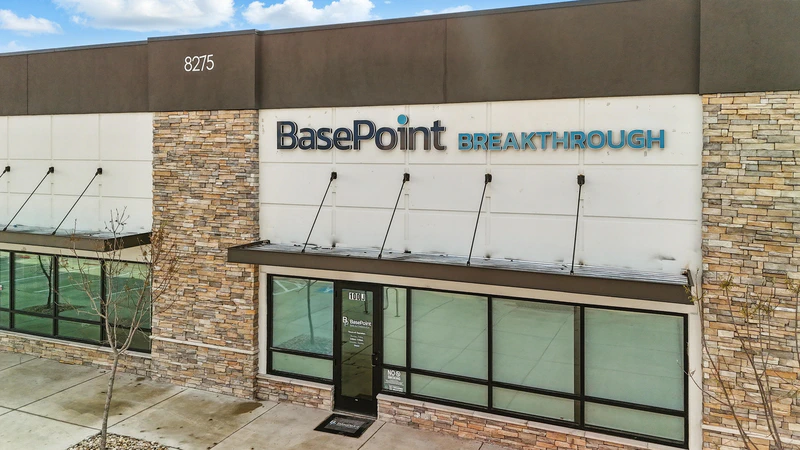
- Frisco, TX: 8275 Judges Way Ste 100F, Frisco, TX 75036
- McKinney, TX: 4601 Medical Center Drive, Suite A. McKinney, Texas 75069
- North Richland Hills, TX: 8479 Davis Blvd Suite 200, North Richland Hills, TX 76182
Discover More About BasePoint BreakThrough Today
Call Us
Admission Hours
7:00 AM to 7:00 PM (CST)
7 Days a Week
Which Private Health Insurance Providers Cover AVPD Treatment in TX?
Several major private health insurance providers in Texas offer coverage that may include treatment for Avoidant Personality Disorder (AVPD). If you have a plan with Aetna, Cigna, Blue Cross Blue Shield (BCBS), or UnitedHealthcare (UHC), you could access online psychiatric help to help address symptoms like social inhibition, fear of rejection, low self-esteem, and avoidance behavior.
Coverage often extends to structured treatment plans and sessions with a licensed therapist specializing in avoidant personality disorder. Depending on your plan, you may also be able to receive specialized therapy or cognitive-behavioral modules via e-therapy platforms. Understanding your benefits allows you to maximize support while managing AVPD symptoms effectively. Contact BasePoint today to discuss your treatment options.
How Much Are Virtual AVPD Treatment Programs for Emerging Adults in Texas?
The cost of virtual treatment programs addressing AVPD in Texas can vary. You can generally expect individual therapy sessions to cost $150 to $250 per session, and more intensive programs like partial hospitalization to cost roughly $350 to $850 per week.
Every provider sets their pricing differently, and your out‑of‑pocket cost may also vary depending on your therapist’s experience, your insurance status, the number of sessions you need, and whether you’re receiving individual versus group or intensive online treatment.
How Much Does Online Avoidant Personality Disorder (AVPD) Treatment Cost With Insurance Coverage in Texas?
With insurance coverage in Texas, your out‑of‑pocket cost for online treatment of avoidant personality disorder tends to be lower than standard rates. Individual therapy averages $150 to $250 per session, while Partial Hospitalization Programs (PHPs) average $350 to $850 per week. Your actual expense mostly depends on your plan’s copay or coinsurance and how much of your deductible you’ve met.
When BasePoint is in‑network, you could pay just a copay per session. If you are out‑of‑network, your insurer might cover a portion after you meet your deductible, which means you pay more initially but less as time goes on. Always verify your specific benefits before starting treatment. We are ready to help you at BasePoint: 972-325-2633.
What Should I Expect from a Virtual Therapy Program Schedule for AVPD in Texas?
In an online therapy and treatment program for AVPD in Texas, you can expect a structured schedule that supports your emotional growth while accommodating your daily life. Telepsychology sessions typically balance individual therapy, group interactions, and skill-building exercises to address low self-esteem, social inhibition, and fear of rejection.
Your weekly schedule may include one-on-one remote psychotherapy sessions, guided digital exercises, and optional group therapy sessions to practice your social skills in a safe and supportive environment. You may also receive homework assignments or reflective exercises between e-counseling sessions to reinforce your coping skills. Consistent participation allows you to gradually reduce avoidance behavior, build confidence, and improve interpersonal relationships while benefiting from flexible, web-based mental health support.
What Is the Admissions Process for Online AVPD Treatment in Texas?
Entering online treatment for avoidant personality disorder in Texas begins with understanding the admissions process. BasePoint BreakThrough evaluates your needs, determines the appropriate level of care, and creates a personalized treatment plan tailored to your lifestyle. Knowing what to expect allows you to feel more confident as you start therapy.
- Initial Inquiry: You provide basic information about yourself and your mental health concerns to start the process.
- Preliminary Screening: You may complete a short assessment to determine your immediate needs and program suitability.
- Comprehensive Evaluation: A licensed clinician reviews your symptoms, history, and goals to build a personalized treatment plan.
- Treatment Recommendation: Based on your assessment, we outline virtual mental healthcare options and modalities.
- Enrollment and Scheduling: Once approved, you finalize enrollment and schedule your first digital therapy sessions.
- Avoidant Personality Disorder (AVPD) belongs to the DSM-5’s Cluster C of personality disorders, which involve disorders with anxious and fearful characteristics, according to StatPearls.
- Estimates of avoidant personality disorder prevalence in the United States vary, but it is generally reported to affect about 2.1% of the population, according to Merck Manual.
- The onset of avoidant personality disorder typically happens in a person’s teens or early 20s, according to the Cleveland Clinic.
- It was once believed that AVPD only appeared alongside Seasonal Affective Disorder (SAD); however, extensive community studies have shown that roughly two-thirds of individuals with AVPD do not meet the criteria for SAD, according to a study in the journal Psychology Research and Behavior Management.
- Research shows rates of AVPD are slightly higher among women than men, according to Medical News Today.