
Social Anxiety Disorder Treatment for Young Adults in Texas
Social anxiety disorder can make everyday interactions feel overwhelming for young adults who are navigating college, careers, and relationships. The persistent fear of judgment or embarrassment often leads to isolation, missed opportunities, and emotional distress during this pivotal time in life. Understanding the signs and available treatments is the first step toward regaining your confidence and connection.
The highly skilled mental health professionals at BasePoint BreakThrough understand these obstacles and work closely with you to overcome these challenges. When you call us, our admission specialist can verify your insurance coverage for anxiety treatment and offer a confidential assessment, along with personalized treatment recommendations. This ensures you have the information you need to make a strong social anxiety disorder treatment decision in Texas.
Social Anxiety Treatment at BasePoint BreakThrough
Stepping into a room full of people shouldn’t feel like walking into a trap, yet for roughly 1 in 10 adults across the U.S., that intense dread of judgment or rejection is a daily reality. The persistent fear associated with social anxiety disorder can shrink your world, causing you to skip conversations, presentations, or everyday interactions while straining relationships.
When left unaddressed, these challenges can become more deep-seated, accompanied by physical symptoms such as a racing heart, sweating, or constant overthinking before and after any social encounter. Because your brain and experiences are entirely unique, managing this burden requires personalized strategies rather than a one-size-fits-all approach.
At BasePoint BreakThrough, we offer specialized mental health treatment programs tailored for young adults ages 18 to 35, combining evidence-based practices, including Cognitive Behavioral Therapy (CBT), with medication management. Our dedicated providers partner with you to dismantle old patterns, offering practical tools to ease social friction and help you reclaim your confidence. Call us today at (972) 325-2633 to establish a supportive plan that fits your life.
What Are Common Signs and Symptoms of Social Anxiety Disorder in Adults?
Social anxiety disorder can manifest in many ways, and symptom intensity varies from person to person. These must be considered when creating customized treatment for social anxiety disorder. Below are several common examples of symptoms, though not every person with social anxiety will experience all of them. Call or contact BasePoint BreakThrough today for more information.
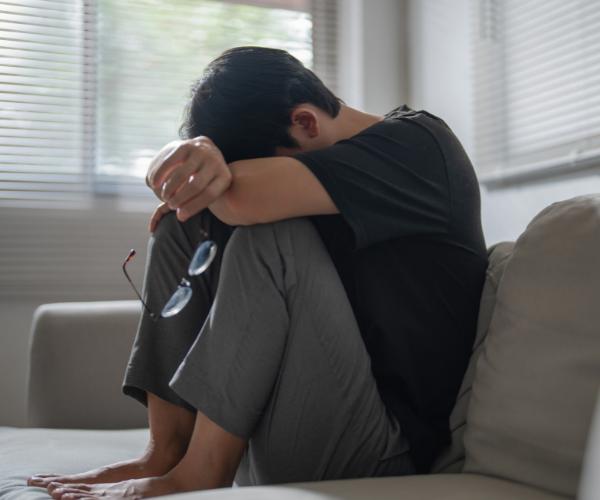
Blushing is one of the most common and visible signs of social anxiety disorder. It occurs when a person’s face suddenly becomes red or warm, often in response to feeling embarrassed, nervous, or self-conscious. For adults with social anxiety, this reaction can heighten their fear of judgment, creating a cycle where the fear of blushing itself triggers more anxiety.
Although blushing is a natural physical response linked to the body’s “fight-or-flight” system, individuals with social anxiety may interpret it as a sign of weakness or failure. Over time, this can lead to avoidance of situations where they fear blushing, such as speaking in groups or meeting new people, further reinforcing anxious patterns.
A fast heartbeat, or heart palpitations, is a common physical symptom of social anxiety disorder. When faced with a stressful or fear-inducing social situation, the body’s “fight-or-flight” response releases adrenaline, causing your heart to race. This rapid heartbeat can make you feel even more anxious or self-conscious, especially when you think others may notice.
While the sensation itself is not dangerous, it can feel alarming and may lead to further avoidance of social interactions. Over time, these physical responses reinforce the cycle of anxiety, making it harder to stay calm during social encounters. Learning to manage this symptom through deep breathing, mindfulness, and gradual exposure therapy can help reduce its frequency and intensity.
Trembling is a frequent physical symptom of social anxiety disorder and occurs when the body reacts to perceived social fear or threat. During stressful interactions, such as public speaking, meeting new people, or being the center of attention, the nervous system releases stress hormones like adrenaline. This causes muscles to tense and shake, especially in the hands or voice.
For many adults with social anxiety, the visible nature of trembling intensifies fear of judgment, leading to greater self-consciousness and avoiding social situations. While the shaking itself is harmless, it reinforces the cycle of anxiety. Persistent trembling that occurs even in non-social situations should be discussed with a healthcare professional to rule out other underlying medical conditions.
Sweating is one of the most recognizable physical symptoms of social anxiety disorder. When faced with anxiety-provoking situations, the body activates the stress response, triggering excessive perspiration. This reaction, caused by increased adrenaline and stimulation of the sweat glands, often occurs on the palms, forehead, or underarms. The fear of visible sweating can heighten self-consciousness and worsen anxiety symptoms.
This creates a reinforcing cycle of distress. Although sweating is a natural biological response, it can become overwhelming in social settings, especially since stress sweat smells worse than sweat triggered by exertion. In some cases, medical interventions or therapy may be recommended to reduce anxiety’s impact and restore comfort in daily interactions.
An upset stomach or nausea is another typical physical response for adults with social anxiety disorder. When anxiety activates the body’s “fight-or-flight” system, blood flow shifts away from the digestive tract toward muscles, preparing for perceived danger. This disruption in digestion can lead to symptoms like nausea, cramping, or even vomiting during or before stressful social events.
Many people with social anxiety feel these sensations before public speaking, interviews, or meeting new people, which can intensify their fear and avoidance of such situations. Although uncomfortable, these reactions are typically harmless and subside once the body relaxes. Persistent or severe digestive issues should be discussed with a healthcare provider to rule out other medical conditions and ensure appropriate treatment.
Trouble catching your breath is a common physical symptom associated with social anxiety disorder. When anxiety intensifies, the body’s stress response triggers shallow or rapid breathing. This occurs as adrenaline increases heart rate and oxygen intake, preparing the body for perceived danger. However, in social situations, this can make you feel dizzy, lightheaded, or as though you cannot get enough air.
These sensations often heighten social fear and discomfort, reinforcing avoidance of similar situations in the future. Practicing slow, controlled breathing techniques and mindfulness can help regulate breathing and reduce anxiety’s physical effects. If breathing difficulties persist even outside of stressful situations, it’s essential to consult a healthcare provider to rule out underlying respiratory or cardiovascular conditions.
Dizziness or lightheadedness is another frequent symptom of social anxiety disorder and often arises during moments of intense stress or fear. When anxiety triggers the body’s “fight-or-flight” response, breathing tends to become shallow or rapid, resulting in lower carbon dioxide levels in the blood. This change can cause sensations of spinning, imbalance, or faintness.
These physical symptoms can be especially distressing, as they heighten self-awareness and fear of losing control in public. Over time, this can reinforce avoidance behavior of social or performance situations that trigger discomfort. If dizziness or lightheadedness occurs frequently outside of anxious moments, it is essential to consult a healthcare professional to rule out potential medical causes, such as low blood pressure or inner ear conditions.
A blank mind is a common cognitive symptom of social anxiety disorder that occurs in high-pressure or socially demanding situations. When anxiety spikes, the brain’s stress response diverts energy away from higher thinking functions, making it difficult to recall information, form sentences, or focus on what to say. This sudden mental "freeze" can leave you feeling embarrassed or frustrated.
The fear of blanking out can also increase anticipatory anxiety, leading people to avoid similar situations altogether. Fortunately, some techniques help reduce this response over time. Working with a mental health professional can also help you develop coping strategies to manage anxiety and improve focus in social settings.
BasePoint BreakThrough Accepts Insurance for Mental Health Treatment
Our assessment with a licensed clinician will provide you with a recommendation for the appropriate level of care for social anxiety disorder. We can also check your insurance coverage details.
Call us today at (972) 325-2633 to schedule a same-day assessment or complete our inquiry form.





BasePoint BreakThrough: Insurance Verification Form

What Are Standard Social Anxiety Disorder Treatment Methods?
There are several approaches BasePoint BreakThrough professionals may use to help you manage overwhelming feelings and regain confidence in social situations. The methods below represent some of the most effective and well-established therapeutic interventions available; however, they are not an exhaustive list. Each person’s path toward improvement may vary based on their unique experiences and needs.
Psychotherapy is one of the most effective ways to address social anxiety and its impact on daily life. Through structured, goal-oriented sessions with a licensed professional, you learn to identify and challenge anxious thoughts, develop healthier coping skills, and build confidence in social situations. Cognitive Behavioral Therapy (CBT) is the most widely used form of psychotherapy for this condition.
CBT helps you recognize distorted thinking patterns and gradually face fearful situations through exposure exercises. Over time, this process reduces avoidance behaviors and promotes lasting emotional resilience. Therapy may take place individually or in group settings, where you can practice communication skills in a supportive environment. When consistently applied, psychotherapy offers long-term benefits, empowering you to manage anxiety, reduce self-criticism, and improve overall quality of life.
Mindfulness and relaxation techniques are powerful tools for managing the physical and emotional symptoms associated with social anxiety. These methods help you stay grounded in the present moment rather than becoming overwhelmed by worries. Practices such as deep breathing, progressive muscle relaxation, and guided imagery can slow the heart rate, reduce muscle tension, and calm the nervous system.
Mindfulness meditation encourages awareness without self-criticism, helping you observe anxious thoughts rather than react to them. Over time, these techniques can improve emotional regulation and lessen avoidance of social situations. Consistent practice, whether in therapy sessions, at home, or through mobile apps, can build resilience and make it easier to remain calm and focused during challenging interactions.
Medication for anxiety can be an effective part of a comprehensive plan, particularly when symptoms of social anxiety disorder are severe or interfere with daily functioning. Healthcare providers often prescribe Selective Serotonin Reuptake Inhibitors (SSRIs) or Serotonin-Norepinephrine Reuptake Inhibitors (SNRIs) as first-line options because they regulate mood and reduce anxiety over time.
In some cases, beta-blockers may be used to control physical symptoms such as trembling, sweating, or a racing heartbeat during performance situations. Benzodiazepines may also be prescribed short-term for acute relief, though they’re generally used with caution due to potential dependency risks. Medication works best when combined with psychotherapy and lifestyle adjustments. It’s essential to work closely with a qualified healthcare provider to monitor side effects, adjust dosages, and find the most effective pharmacotherapy for long-term stability and confidence.
Stress management techniques can play a crucial role in reducing the intensity of social anxiety and improving emotional resilience. These approaches focus on calming the body’s stress response and helping you maintain balance during challenging situations. Regular physical activity, adequate sleep, and a balanced diet can strengthen the body’s ability to handle stress.
Techniques such as deep breathing, yoga, journaling, and time management help decrease muscle tension and prevent anxious thoughts from escalating. Over time, practicing these habits can reduce the frequency and severity of social anxiety symptoms while improving overall mood and focus. When combined with therapy or other interventions, stress management techniques empower you to handle social situations with greater confidence and ease.
Does Health Insurance Cover Social Anxiety Treatment in Texas?
Yes, health insurance typically covers social anxiety disorder treatment in Texas under federal parity laws. This means major providers like Blue Cross Blue Shield, Aetna, Cigna, and UnitedHealthcare must offer mental health benefits comparable to medical care. However, your specific out-of-pocket costs depend entirely on details like your plan’s network status, deductibles, copays, coinsurance, session limits, and prior authorization rules.
To prevent unexpected expenses and maximize your benefits, let BasePoint BreakThrough handle the paperwork for you. We offer a free, confidential insurance verification to clarify your coverage before care begins. Contact us today for your insurance check and a same-day clinical assessment.
Outpatient Treatment Programs for Addressing Social Anxiety Disorder in Texas
BasePoint BreakThrough has several facilities near Dallas, Texas, where we offer treatment to young adults (18-35) struggling with social anxiety. Our clinicians understand how overwhelming this condition can be and provide highly skilled treatment and compassionate support that gently guides you toward recovery. Call or contact us today for more information about our specialized outpatient treatment programs.
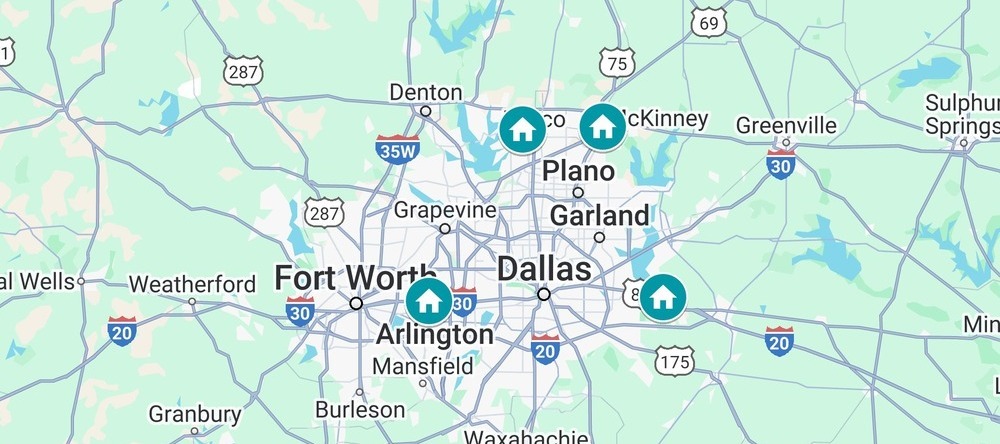
- Arlington, TX: 3900 Arlington Highlands Blvd Suite 237B, Arlington, TX 76018
- Forney, TX: 713 W Broad St Suite 100, Forney, TX 75126
- Frisco, TX: 8275 Judges Way Ste 100F, Frisco, TX 75036
- McKinney, TX: 4601 Medical Center Drive, Suite A. McKinney, Texas 75069
- North Richland Hills, TX: 8479 Davis Blvd Suite 200, North Richland Hills, TX 76182 (Coming Soon)
Discover More About BasePoint BreakThrough Today
Call Us
Admission Hours
7:00 AM to 7:00 PM (CST)
7 Days a Week
How Much Does Therapy for Social Anxiety Cost Around Dallas, Texas?
In the Dallas-Fort Worth area, therapy session fees for social anxiety disorder typically range from about $100 to $300 per hour when paying out of pocket. With private insurance, your costs usually drop significantly. These may include a copay between $20 and $100, depending on your policy and in-network status. A comprehensive treatment program incorporates these fees into the overall daily or monthly cost.
Your insurance policy benefits and limitations affect mental health treatment expenses. When you call BasePoint at 972-325-2633, we can verify these benefits and work closely with your insurer to maximize your coverage. We help you take the steps needed to receive appropriate and skilled care for social anxiety disorder symptoms in a structured, supportive environment.
Are There Confidential Social Anxiety Disorder Assessments Available in Texas?
Taking control of your mental well-being begins with absolute privacy. At BasePoint BreakThrough in Texas, confidential clinical screenings offer a clear, risk-free vantage point to evaluate persistent anxiety and discover if structured support could ease your daily burden. Our comprehensive assessments serve as your strategic roadmap to relief.
We don’t just identify symptoms; we pinpoint the exact level of care you need—whether that means targeted intensive outpatient counseling or more immersive day treatment programming. Beyond clinical insight, our team removes the administrative friction of starting treatment. When you reach out, we’ll instantly verify your insurance coverage, map out your benefits, and resolve potential out-of-pocket hurdles. If coverage falls short, we’ll collaborate with you to build a practical financial solution. Take the first definitive step toward a calmer mind—call us today for your confidential evaluation.
What Is the Standard Admissions Process for Social Anxiety Disorder Treatment at BasePoint BreakThrough?
The admissions process at BasePoint BreakThrough begins with a same-day virtual or in-person assessment, available seven days a week from 7 a.m. to 7 p.m. A licensed clinician evaluates your needs to determine the most appropriate level of care. We’ll verify your insurance and explain your coverage benefits and limitations.
Once you’ve decided to receive treatment, you’ll undergo a thorough evaluation that forms the foundation for your personalized treatment plan. Before beginning your customized treatment program, we provide an orientation to the nearest facility or our online platform. Throughout your program, our clinicians continually evaluate your progress and adjust the treatment plan accordingly to help you move confidently toward your goals. Contact BasePoint BreakThrough today to learn more.
- Anxiety disorders are highly treatable, but only 36.9% receive treatment. Social anxiety disorder typically begins near age 13, and most people experience symptoms for 10 or more years before they get help.
- Epidemiological data reveal that social anxiety disorder has a worldwide prevalence of up to 10% and a lifetime prevalence of up to 15%. Comorbid psychiatric disorders are a significant complication, occurring in up to 90% of people with social anxiety disorder.
- Despite the distress, only roughly 50% of people with social anxiety disorder will seek treatment, and typically only after experiencing symptoms for many years.
- A specific cause has not been identified, but several risk factors increase your likelihood of developing social anxiety disorder, including experiencing childhood trauma and having a first-degree blood relation with the disorder.
- A cross-national epidemiological study of social anxiety disorder revealed different prevalences across countries. The prevalence was highest in high-income countries and lowest in low to lower-middle-income countries. Prevalence rates were higher in the Americas and the Western Pacific regions and lower in the Eastern Mediterranean and Africa. Despite these differences, it's a prevalent disorder in all countries, across various income and regional groups.