




Online Trichotillomania Hair-Pulling Disorder Treatment in Texas
Trichotillomania, also known as hair-pulling disorder, is a mental health condition marked by the irresistible urge to pull out your hair. This often leads to noticeable hair loss and emotional distress. Though it can feel isolating, effective treatment options help manage symptoms and restore self-confidence. With professional support from BasePoint BreakThrough, recovery is possible.
When you call us, our admissions specialist can verify your insurance coverage, explain your potential out-of-pocket expenses, and schedule a free, confidential assessment. This ensures you have the information you need to make a treatment decision that will improve your quality of life.
What Online Trichotillomania Treatment Looks Like With Our Team
Trichotillomania (hair-pulling disorder) is a body-focused repetitive behavior (BFRB) that can feel automatic or hard to stop, especially during stress, boredom, anxiety, or emotional overwhelm. For many young adults, the hardest part is not just the urge itself, but the cycle of relief, guilt, and isolation that can follow.
In our online program in Texas, we focus on reducing urges and building skills you can use in real life, not just in session. Treatment may include CBT-based strategies to identify triggers, interrupt patterns, and replace pulling with healthier responses, plus support for any co-occurring anxiety, depression, or trauma symptoms when relevant. We start with an assessment and guide you toward the right level of care based on what you need now.
What Are Common Signs and Symptoms of Trichotillomania/Hair-Pulling Disorder?
Common signs and symptoms of trichotillomania include obsessive hair-pulling behaviors targeting various parts of the body, most often the scalp, eyebrows, or eyelashes. You may experience a rising sense of tension before pulling and a feeling of relief or satisfaction afterward. Over time, these behaviors can become repetitive and difficult to control, even when you want to stop.
The disorder often causes visible hair loss, emotional distress, and efforts to hide bald spots or thinning hair. While symptoms vary in severity, the condition often disrupts daily life and emotional health. You might consciously pull your hair in response to stress or anxiety, or do it automatically without realizing it, like when you are reading or watching television.
At BasePoint BreakThrough, we offer a free, confidential assessment with treatment recommendations to determine the level of in-person or telehealth counseling needed to address your concerns. The following are some symptoms of trichotillomania that indicate the need for professional support, such as behavioral therapy, which can help improve your quality of life.
- Recurrent urges to pull hair: Persistent, uncontrollable impulses to pull hair from your scalp, brows, lashes, or other areas.
- Noticeable hair loss: Bald patches, thinning areas, or missing lashes that may cause embarrassment or low self-esteem.
- Tension before and relief after pulling: Emotional buildup before pulling, followed by a temporary feeling of calm or satisfaction.
- Repeated attempts to stop: Multiple efforts to quit the behavior, often without success.
- Preference for specific hair: Choosing strands by texture, thickness, or location before pulling them.
- Rituals after pulling: Inspecting, playing with, or chewing on the hair once it’s been removed.
- Avoidance behaviors: Wearing hats, wigs, or makeup to conceal hair loss or skipping social events to hide it.
- Unconscious pulling: Hair-pulling that happens during passive activities or moments of distraction.
- Emotional distress and impairment: Feelings of shame, guilt, or frustration that interfere with work, school, or relationships.
Trichotillomania is more common than you may realize. Data published in 2022 found that the repetitive hair-pulling disorder affects about 1% of the population, though hair-pulling behaviors impact roughly 8%. Other estimates suggest the true prevalence may reach as high as 4%, emphasizing how often the condition goes unrecognized. Studies show trichotillomania typically begins between ages 9 and 13.
Symptoms often appear following stressful or traumatic experiences. While symptoms may start in childhood, you can continue to struggle into adulthood if the disorder remains untreated. A 2025 study reported the median age of diagnosis as 24.6 years, reflecting a long gap between symptom onset and care. The condition is more common in women than men, yet gender-specific treatment is not considered necessary. Trichotillomania is classified as an Obsessive-Compulsive and Related Disorder (OCRD) in the DSM-5.
Do Texas-Based Mental Health Treatment Programs Offer Online Treatment for Trichotillomania Recovery?
Yes, some programs, including BasePoint BreakThrough, offer online treatment for trichotillomania recovery in Texas. When you call us, you can access online treatment throughout the state, allowing you to receive care from home, regardless of your location. Online treatment offers important advantages. If you live in a mental health shortage area, you have access to flexible teletherapy trichotillomania treatment.
Online trichotillomania treatment in Dallas, Texas, and throughout the state provides the opportunity to engage with providers who specialize in scalp-picking and hair-pulling behaviors. You can schedule sessions around your life and receive discreet care when you might prefer added privacy. Virtual services offered by BasePoint BreakThrough provide a flexible, accessible path to support and recovery as you navigate this disorder. Call or contact us today to discover the benefits of working with our compassionate, experienced team.
BasePoint BreakThrough Accepts Insurance for Mental Health Treatment
Our assessment with a licensed clinician will provide you with a recommendation for the appropriate level of coverage for online mental health treatment. We can also verify your insurance coverage levels to determine the cost of treatment.
Call us today at (972) 325-2633 to schedule a same-day assessment or complete our inquiry form.






BasePoint Breakthrough: Insurance Verification Form
Online Treatment Options for Trichotillomania/Hair-Pulling Disorder in TX
Several online trichotillomania treatment options can help manage compulsive behaviors and emotional challenges associated with hair-pulling. The following examples represent some of the most effective, evidence-based options, though they are not an exhaustive list. Each person’s needs are unique, and treatment plans are tailored to address your goals and experiences.
Virtual Partial Hospitalization (PHP) and day treatment programs are highly structured levels of care that allow you to participate from home while receiving frequent remote psychotherapy support throughout the week. You work closely with licensed providers to build healthier coping skills, strengthen emotional regulation, and interrupt patterns that contribute to hair-pulling and anxiety behaviors.
Virtual outpatient and evening treatment programs offer flexible and accessible care if you’re managing hair-pulling behaviors while balancing school, work, or family responsibilities. These programs allow you to meet with licensed providers through secure online sessions, typically one to several times per week.
During internet-based therapy, you can explore triggers, learn new coping tools, and receive consistent guidance without disrupting your daily schedule. Evening options are beneficial when you need support outside typical business hours. This level of care is well-suited for ongoing treatment, maintenance, or step-down support after a higher level of care.
Virtual Intensive Outpatient Programs (IOP) provide a higher level of structure than standard outpatient care while still giving you the convenience of online treatment for managing trichotillomania urges. This format typically includes several sessions per week, combining therapeutic guidance, skills training, and ongoing support to help you reduce hair-pulling behaviors and build healthier patterns.
Virtual IOP allows you to stay engaged in school, work, or daily routines while receiving targeted help from licensed providers. It’s often a strong option if you need more consistent remote emotional support than weekly sessions, but do not require the intensity of day treatment or PHP.
Teletherapy programs allow you to work with licensed providers via secure video conferencing, making treatment easier to fit into your daily life. This option offers several digital mental health services, providing consistent guidance for managing hair-pulling behaviors from the comfort of home.
You can explore emotional triggers, learn healthier coping mechanisms, and practice new skills with real-time support. Teletherapy is well-suited for ongoing treatment, early intervention, or maintaining progress after completing a higher level of care. It offers flexibility and privacy with steady access to an online therapist for hair-pulling in Texas without the need for in-person appointments.

Do Texas-Based Online Trichotillomania and Hair-Pulling Treatment Programs Include Individual Therapy Sessions?
Yes, most Texas-based online programs for trichotillomania include individual therapy sessions as a core component of your customized treatment program. These one-on-one virtual appointments allow you to work directly with a licensed provider who understands the factors that contribute to hair-pulling behaviors. In these sessions, you can explore your triggers and build skills that help reduce urges over time.
Individual therapy is often tailored to your personal goals, making it especially valuable when you benefit from focused support and flexible scheduling. Because sessions take place online, you can receive consistent care from the comfort of home while maintaining privacy and convenience. At BasePoint BreakThrough, individual telehealth sessions are integrated into a comprehensive treatment approach designed to help you make meaningful progress and strengthen long-term wellness.
What to Expect in an Online Trichotillomania Treatment Program
When you begin an online trichotillomania (hair-pulling disorder) treatment program in Texas, you can expect a structured, supportive, and personalized experience designed to help you regain control of your behaviors. Your care typically starts with a virtual intake assessment, where a licensed provider learns about your history, patterns, and goals.
From there, you may participate in a combination of individual sessions, group counseling, and skills-based approaches that help you understand triggers and build healthier responses. Treatment often includes evidence-based techniques to help you reduce urges and strengthen long-term coping skills. All sessions take place through secure e-therapy platforms, allowing you to engage from home while maintaining privacy and convenience.
Types of Virtual Counseling and Therapy for Trichotillomania Treatment in Texas
Texas offers several forms of virtual counseling and therapy for trichotillomania when you want to make meaningful changes in your emotional and behavioral health. The following examples highlight common approaches used in online treatment, though they are not a complete list. Each option can be tailored to your needs, goals, and desired level of support.

Online mindfulness-based therapy helps you build awareness of your thoughts, sensations, and urges so you can respond more intentionally rather than react automatically. Through secure virtual sessions, online trichotillomania therapy helps you learn grounding techniques, breathing exercises, and present-moment practices that reduce emotional tension and make it easier to interrupt hair-pulling patterns.
This approach can also support stress reduction and improve emotional regulation, which are often important parts of long-term recovery. Because you are receiving web-based mental health support, you can practice mindfulness skills in your own environment and integrate them seamlessly into your daily routine.
Online group therapy gives you a supportive space to connect with others who understand the challenges of managing hair-pulling behaviors. In these virtual sessions, you can share experiences, learn coping strategies, and practice new skills alongside peers facing similar struggles. You may find that hearing others’ stories reduces shame and increases motivation for change.
Trichotillomania support groups in your online mental wellness program provide additional community and encouragement between sessions. Online group therapy can complement individual treatment by strengthening accountability, improving emotional awareness, and helping you feel less alone in your recovery.
Online individual therapy offers one-on-one support with a licensed provider who helps you understand the patterns, emotions, and triggers connected to hair-pulling behaviors. You can address issues with emotional regulation and trichotillomania through secure virtual sessions. This helps reduce urges and strengthen healthier responses.
Online psychiatric help in individual therapy sessions allows you to move at your own pace, focus on your specific goals, and receive continuous guidance between challenges and successes. Online individual therapy is beneficial if you prefer a more tailored approach or need focused support alongside other levels of care.
Online family therapy helps your loved ones understand the challenges associated with hair-pulling behaviors and learn how to support your progress in a healthy, constructive way. Through digital therapy sessions, a licensed provider guides your family in improving communication, reducing conflict, and creating a more supportive home environment.
This approach can be especially helpful, as it encourages families to work together to identify triggers, reinforce coping strategies, and strengthen emotional safety. Online family therapy also gives everyone involved a chance to ask questions, better understand the recovery process, and collaborate as you work toward long-term change.
Online cognitive behavioral therapy for hair-pulling is a structured, goal-focused approach that helps you understand the thoughts, emotions, and situations that fuel hair-pulling behaviors. Through online sessions, a licensed provider guides you in identifying patterns, challenging unhelpful thinking, and building healthier responses to triggers.
This format often includes skills for emotional regulation and strategies to interrupt the hair-pulling cycle before it starts. Because CBT is delivered virtually, you can practice techniques in your own environment and apply them in real time. Many find that online CBT offers practical tools they can use daily as they work toward long-term change.
Online Habit Reversal Training (HRT) programs are one of the most widely used behavioral approaches for reducing hair-pulling behaviors. In telebehavioral health sessions, a licensed provider helps you recognize the situations, emotions, and sensations that typically lead to hair-pulling. You then learn competing responses. These are alternative actions that make hair-pulling more challenging to engage in.
HRT also focuses on building awareness, strengthening coping skills, and adjusting your environment to reduce triggers. Because the program is delivered online, you can practice these techniques in real time at home, making it easier to integrate new habits into your daily routine and work toward lasting change.
Online Dialectical Behavior Therapy (DBT) helps you strengthen emotional regulation, distress tolerance, and mindfulness skills that can support your recovery from trichotillomania. In virtual sessions, you work with a licensed provider to understand emotional patterns, reduce impulsive reactions, and practice strategies that make it easier to manage urges.
DBT also teaches interpersonal effectiveness skills that can improve communication and reduce stress in relationships, two factors that often influence behavioral cycles. Telemental health solutions allow you to learn and apply the tools in real time within your home environment, making it easier to integrate them into daily routines and contributing to long-term progress.
Online Acceptance and Commitment Therapy (ACT) helps you build a different relationship with the thoughts, emotions, and urges that contribute to hair-pulling behaviors. Instead of trying to eliminate uncomfortable feelings, ACT teaches you to acknowledge them without acting on them, creating space for healthier choices.
Through secure e-counseling sessions, you work with a licensed provider to strengthen mindfulness skills, clarify personal values, and practice actions that support long-term well-being. Because ACT is delivered online, you can apply these strategies immediately in your everyday environment, making it easier to break unhelpful patterns and move toward meaningful, sustained change.
Does Health Insurance Typically Cover Virtual Trichotillomania and Hair-Pulling Disorder Treatment Programs in Texas?
Yes, many health insurance plans in Texas typically cover internet therapy sessions for trichotillomania (hair-pulling disorder), though the exact benefits depend on your policy. Because this condition is recognized in the Diagnostic and Statistical Manual of Mental Disorders (DSM-5) as an obsessive-compulsive and related disorder, most insurers classify treatment as medically necessary mental health care.
This means services such as virtual counseling, online therapy, and telehealth-based programs are often included under mental and behavioral health benefits. Coverage can differ based on your insurer, deductible, copay, and whether the provider is in-network. You may be surprised to learn that telehealth services are covered at the same rate as in-person sessions due to federal and state-level parity laws.
These laws require insurers to offer comparable mental health and medical benefits. However, some plans may limit the number of sessions or require prior authorization. At BasePoint BreakThrough, our admission specialist helps you review your benefits, confirm eligibility, and understand out-of-pocket costs before beginning care. Whether you have a private plan, employer-sponsored coverage, or marketplace insurance, verifying your benefits early ensures you can access the virtual support you need for long-term recovery.
Finding Online and Virtual Trichotillomania Disorder Treatment Programs Available in Texas
BasePoint BreakThrough has several facilities that offer in-person and virtual mental health care in Texas for compulsive behaviors and hair-pulling disorders. Each facility is staffed with highly skilled clinicians who use the appropriate treatment methods for your challenges. We encourage you to call or contact us today to learn more about our cybertherapy and verify your coverage.
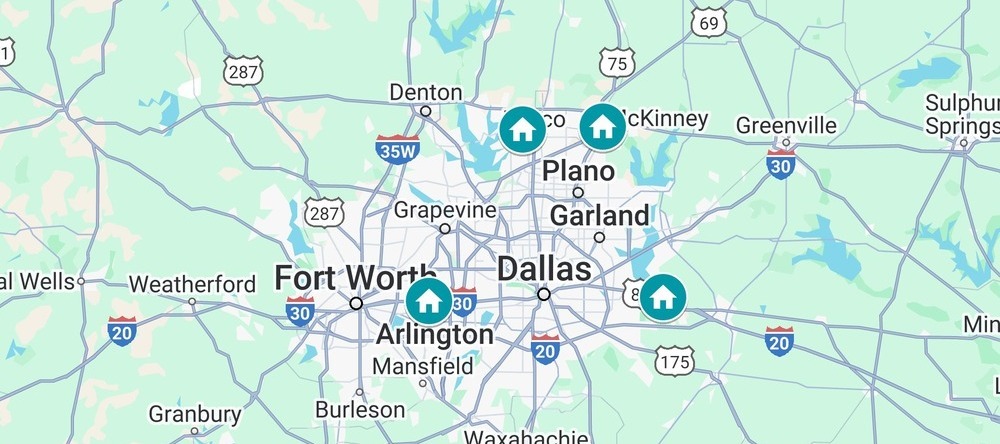
- Arlington, TX: 3900 Arlington Highlands Blvd Suite 237B Arlington, TX 76018
- Forney, TX: 713 W Broad St Suite 100 Forney, TX 75126
- Frisco, TX: 8275 Judges Way, Suite 100F, Frisco, TX 75036
- McKinney, TX: Virtual Mental Health Treatment
There are several alternative ways to find virtual treatment options for trichotillomania across Texas, even if you’re unsure where to begin. The approaches below can help you explore reputable programs, verify credentials, and connect with trusted providers who offer online support. These methods give you multiple pathways to find care that fits your needs and comfort level.
Search Online: A broad online search can help you find virtual programs across Texas that specialize in hair-pulling behaviors. Consider keywords like “treatment for self-harm and trichotillomania in Texas,” or “treatment for hair loss due to trichotillomania near me.” Look for licensed providers, reputable treatment centers, and programs that clearly describe their services, credentials, and telehealth options. Reading reviews and exploring provider websites can also help you decide whether a program feels like the right fit.
Ask for Referrals from a Doctor or Therapist: If you already work with a medical provider or mental health professional, they may be able to recommend trusted specialists who offer virtual treatment. Referrals can streamline the process and connect you with clinicians who are experienced in supporting individuals with body-focused repetitive behaviors.
Contact Local Mental Health Clinics: Mental health clinics throughout Texas may provide telehealth services in addition to in-person care. Reaching out directly allows you to ask about availability, treatment approaches, scheduling, and whether they offer virtual programs.
Check with Your Health Insurance Provider: Your insurance company can provide a list of in-network providers who offer virtual treatment options. This step helps you understand which services are covered, whether prior authorization is required, and your potential out-of-pocket costs.
Call National Mental Health Helplines: Organizations such as SAMHSA and NAMI offer free, confidential helplines that can guide you toward virtual treatment programs in your area. These services can be beneficial if you need immediate direction or don’t know where to start.
Explore Online Therapy Options: Licensed providers and telehealth platforms offer secure virtual sessions designed to address hair-pulling behaviors and related emotional challenges. These options provide flexibility, privacy, and access to specialized support no matter where you are in Texas.
Discover More About BasePoint BreakThrough Today
Our Locations
Frisco, TX
Call Us
Admission Hours
7:00 AM to 7:00 PM (CST)
7 Days a Week
What Insurance Providers Typically Cover Virtual Delusional Disorder Treatment in Texas?
As you’re exploring insurance coverage for online outpatient rehab in Texas, it’s helpful to know that several major providers typically include benefits for telebehavioral health services and internet therapy sessions. Some of the major insurers in Texas include Blue Cross Blue Shield, United Healthcare, Cigna, Ambetter, and Aetna. However, while coverage is available, your policy limits benefits.
Before receiving treatment, it’s essential to verify your coverage so you aren’t surprised by an unexpected medical bill. You can do this quickly and easily by calling BasePoint BreakThrough. Our admission specialist can answer your questions about our online mental wellness programs that address symptoms of delusional disorder, such as cognitive distortions or fixed false beliefs. We can schedule an initial assessment and work closely with you to find a financial solution tailored to your situation.
Do Texas-Based Virtual Trichotillomania and Hair-Pulling Treatment Programs Include Group Counseling Sessions?
Yes, many Texas-based virtual programs for trichotillomania offer group counseling sessions as part of a comprehensive online care model. These sessions allow you to connect with peers who understand the challenges of managing hair-pulling behaviors, creating a supportive environment where you can share experiences, reduce isolation, and learn practical strategies from others facing similar struggles.
In online trichotillomania hair-pulling disorder treatment, group counseling is often used alongside individual therapy to reinforce new skills and strengthen long-term progress. Group sessions are typically led by licensed providers who guide discussions, teach coping strategies, and help you apply behavioral skills in real-world situations. You often benefit from hearing how others manage urges, build resilience, and navigate setbacks. Virtual groups also offer privacy and convenience, allowing you to participate from home while still receiving structured support.
How Much Is Hair-Pulling Disorder Virtual Treatment with Insurance?
When you access virtual treatment for hair-pulling disorder from a Texas-based program, your out-of-pocket cost will depend heavily on your insurance plan. An online therapy platform may have copays as low as $15 per session when the service is in-network. Some plans even offer zero-dollar copays for online sessions when mental health benefits and telehealth services are covered equally.
However, costs can vary depending on whether the provider is in-network, your deductible status, your coinsurance rate, and the level of care. This means your copays may range up to $100 per session, depending on those factors. At BasePoint BreakThrough, we verify your benefits before you begin treatment. We confirm the status of our provider network and inform you of session limits or prior authorization requirements so you understand your costs and avoid surprises.
How Much Is Hair-Pulling Disorder Online Treatment Without Insurance?
The cost of an online therapist for trichotillomania in Texas without insurance depends on several factors, including the intensity of your therapy, the length of sessions, the therapist’s credentials, and the location. Individual sessions typically cost between $100 and $300. However, group therapy rates are usually on the lower end, while online psychiatric help can be slightly more expensive.
Additional services may also add to the cost, such as medications, medication management, or skills-building workshops. While we recognize that these costs can feel overwhelming, the cost of going without treatment can be far higher. Scalp-picking and hair-pulling can increase the risk of skin infections, and hair loss can lead to low self-esteem, which can impact your personal and professional experiences. Call us today at 972-325-2633 to work with our financial counselors and find a solution that allows you to receive the care and treatment you need.
- In 2022, researchers demonstrated that trichotillomania impacts approximately 1% of the population, while general hair-pulling behavior affects roughly 8%, which highlights the significant impact of this understudied condition. However, the prevalence of trichotillomania may reach 4%.
- Trichotillomania affects more women than men. Although there are some gender differences, researchers proposed that gender-specific treatment for trichotillomania was not justified as early as 1994, and this continues to today.
- Most commonly, hair-pulling disorder begins between the ages of 9 and 13, peaking between 12 and 13 years. Stressful events like family conflict, abuse, or death typically precede onset.
- Although hair-pulling begins in adolescence, it continues through adulthood when left untreated. In one 2025 study, the median age of diagnosis of over 1,200 people with trichotillomania was 24.6 years. In most cases, the first diagnosis was in adolescence and early to mid-adulthood.
- Although trichotillomania is not an Obsessive-Compulsive Disorder (OCD), it is categorized as an Obsessive-Compulsive and Related Disorder (OCRD) in the Diagnostic and Statistical Manual of Mental Disorders (DSM-5).