






Online Schizophrenia Treatment and Therapy in Texas
BasePoint BreakThrough provides online treatment for schizophrenia in Texas. We also treat conditions like anxiety, trauma, Obsessive-Compulsive Disorder (OCD), Attention-Deficit/Hyperactivity Disorder (ADHD), Post-Traumatic Stress Disorder (PTSD), and bipolar disorder, through digital mental health services that fit your schedule and needs. Compassionate, structured care makes a meaningful difference when managing complex symptoms.
BasePoint BreakThrough begins the enrollment process with a comprehensive assessment that evaluates your symptoms, personal history, and challenges. Based on these findings, the clinical team recommends appropriate online treatment options aligned with individual goals and clinical needs. An admissions specialist is available to explain the assessment process. Call us to book an evaluation and learn more about online schizophrenia treatment in Texas.
What to Expect From Our Online Schizophrenia Treatment Program in Texas
Online mental health treatment in Texas can give you access to structured support for schizophrenia symptoms without commuting to in-person appointments. Our online program is designed to help adults build stability with consistent therapy and psychiatric care when appropriate, especially when symptoms are affecting relationships, daily functioning, or routines.
Care may include individual therapy, group support, and coordination around medication management based on clinical needs. We focus on practical skills like recognizing early warning signs, improving daily structure, and reducing symptom-related distress, with a plan that stays consistent over time. If higher support is needed, we help guide next steps so you are not stuck guessing what level of care fits.
What Is Schizophrenia Disorder in the 18- to 35-year-old Age Bracket?
Schizophrenia disorder in the 18-to-35 age bracket is a serious mental health condition that most often emerges in late adolescence or early adulthood and affects how you think, feel, and perceive reality. Symptoms typically begin gradually and interfere with education, work, relationships, and independence.
During this stage of life, schizophrenia spectrum disorders may involve changes in thought patterns, emotional responses, and behavior that feel confusing or disruptive. You might notice difficulties with concentration, motivation, or social connection, along with experiences that do not align with shared reality. Early adulthood is a critical period because positive and negative symptoms often intensify without proper support. Receiving timely evaluation and structured care during these years improves long-term functioning, stability, and overall quality of life.

Do Virtual Mental Health Programs Offer Schizophrenia Treatment in TX?
Yes, many virtual mental health programs offer schizophrenia treatment for adults in Texas through structured, clinician-led care delivered via telemental health solutions. Virtual schizophrenia treatment in Texas helps you access professional care without the barriers of travel or in-person scheduling, which can be especially helpful when your symptoms affect daily functioning.
During virtual outpatient rehab for adults, you may receive psychiatric evaluations, medication management, and ongoing teletherapy sessions tailored to symptom severity and personal goals. Care is often delivered through secure telebehavioral health platforms that support consistent communication and monitoring. BasePoint also coordinates treatment plans that adapt over time as your needs change. Virtual mental health treatment in Texas provides stability, continuity, and early symptom management while allowing you to remain connected to your home environment and existing support systems.
What Are Texas-Based Virtual Outpatient Schizophrenia Treatment Programs?
Texas-based virtual outpatient schizophrenia treatment programs are clinical services that allow you to receive professional help for schizophrenia from home. These programs provide structured internet-based therapy, medication management, and ongoing monitoring, helping you manage your symptoms while maintaining daily routines and responsibilities.
Through virtual outpatient rehab for adults, you’ll participate in internet therapy sessions, cognitive-behavioral interventions, and psychiatric check-ins. Clinicians assess your condition and recommend treatment approaches tailored to your needs, including medication adjustments and skill-building exercises. BasePoint’s online schizophrenia treatment in Texas also helps you track your progress and address challenges that arise over time. Contact us to schedule your confidential assessment and begin receiving professional care for schizophrenia today.
BasePoint BreakThrough Accepts Insurance for Mental Health Treatment
Our assessment with a licensed clinician will provide you with a recommendation for the appropriate level of coverage for mental health treatment. We can also verify your insurance coverage levels to determine the treatment costs.
Call us today at (972) 325-2633 to schedule a same-day assessment or complete our inquiry form.






BasePoint Breakthrough: Insurance Verification Form
Are There Different Types of Schizophrenia That Occur in Texas Adults?
Schizophrenia can present in different ways among adults in Texas, with variations in symptoms, behavior, and cognitive patterns. Each type may affect thinking, perception, and daily functioning differently, highlighting the importance of personalized assessment and care for effective management. Below are some common examples, including paranoid schizophrenia, catatonic schizophrenia, and schizoaffective disorder, though this is not a complete list.
Paranoid schizophrenia is a type of neurodevelopmental disorder in which you experience intense delusions or hallucinations, often involving suspicion or mistrust of others. You might feel constantly watched or believe others intend to harm you. While cognitive function can remain relatively intact, these symptoms make social interaction and daily activities challenging and require management through remote psychotherapy and antipsychotic medications.
Schizoaffective disorder is a mix of symptoms of schizophrenia with symptoms of mood disorders, such as depression or mania. You may experience intense emotional swings alongside difficulties distinguishing reality from perception. Managing schizoaffective disorder often involves medication and cybertherapy to address your mood and psychotic symptoms, helping you maintain daily routines, relationships, and overall functioning.
Brief psychotic disorder involves a sudden onset of psychosis, including hallucinations, delusions, or disorganized thinking, lasting a day to a month. You may experience intense confusion or emotional distress during this period, which can disrupt work, school, or relationships. Early intervention in psychosis is vital to stabilize you and reduce the risk of recurrence or progression to a longer-term condition.
Residual schizophrenia occurs when active psychotic symptoms like delusions or hallucinations have lessened, but you may still experience lingering effects such as social withdrawal, flat emotions, or cognitive deficits. You might notice difficulty with motivation, communication, or daily tasks. Continued teletherapy and medication help you manage these residual symptoms and improve your ability to maintain routines and social connections.
Disorganized schizophrenia, also called hebephrenic schizophrenia, involves disorganized thinking, speech, and behavior that make daily life confusing and challenging. You may experience inappropriate emotions, erratic actions, or difficulty completing tasks. While hallucinations and delusions may be less prominent, managing symptoms often requires therapy and antipsychotic medications to help you maintain routines, improve communication, and support overall functioning.
Catatonic schizophrenia is characterized by unusual motor behaviors, including immobility, excessive movement, or repeating movements and speech. You may experience periods of rigidity or unresponsiveness, making it challenging to carry out your day-to-day activities. This type of schizophrenia often requires careful medical monitoring and treatment, combining antipsychotic medications with therapeutic interventions to maintain your safety and functioning.

Does Virtual Schizophrenia Treatment Typically Include Individual Therapy Sessions?
Yes, virtual schizophrenia treatment typically includes individual therapy sessions to provide focused, personalized care. These sessions allow you to work directly with a licensed clinician to address your symptoms in a private, secure setting. You’ll explore challenges, practice coping skills, and track progress in a way that fits your schedule.
Individual sessions often complement group therapy and medication management, offering a balanced approach to managing schizophrenia. You can discuss day-to-day struggles, review behavioral strategies, and adjust treatment plans as needed. Consistent one-on-one interaction strengthens insight and improves emotional regulation while maintaining flexibility through remote delivery.
What Are the Different Types of Online Virtual Schizophrenia Therapy and Treatment Available in Texas?
Virtual schizophrenia treatment in Texas offers multiple ways to receive care remotely. Each option provides different ways to access remote emotional support, manage your symptoms, and engage in treatment while maintaining your regular routines and responsibilities from home. Examples include video conferencing therapy, text-based therapy, and phone therapy, though this is not a complete list.

Cognitive-Behavioral Therapy (CBT) modules help you identify and change unhelpful thought patterns that contribute to delusions, hallucinations, or negative symptoms. Through internet-based therapy sessions, you can practice coping skills, problem-solving skills, and reality-testing exercises. CBT reduces symptom intensity, improves your daily functioning, and helps you respond more effectively to challenges associated with schizophrenia.
Virtual Reality (VR) therapy allows you to engage in immersive, interactive environments to practice coping skills and manage hallucinations or social withdrawal. Through guided VR exercises, you can safely confront triggers, improve social interactions, and build confidence in real-world situations. This innovative approach complements traditional therapy and improves your ability to manage schizophrenia symptoms effectively.
Specialized online therapy provides targeted interventions for your schizophrenia symptoms, such as cognitive deficits, thought disorders, mood challenges, or positive symptoms. Through structured online mental wellness sessions, you'll work with clinicians who tailor exercises and coping mechanisms to your needs. These programs help you manage persistent symptoms and address challenges unique to schizophrenia from home.
Video conferencing therapy allows you to meet with licensed clinicians in real time. You can participate in digital therapy sessions that address positive symptoms, negative symptoms, or other schizophrenia-related challenges without leaving home. This format helps maintain consistency in psychiatric rehabilitation, provides direct interaction with professionals, and allows you to discuss concerns, progress, and treatment adjustments conveniently and privately.
Phone therapy lets you connect with a clinician using voice calls, providing direct access to care for schizophrenia symptoms like delusions or social withdrawal. You can discuss daily challenges and review treatment progress without needing internet access or video equipment. This flexible option allows you to maintain consistent communication with your provider while managing recovery-oriented care from home.
Text-based therapy allows you to communicate with a clinician through secure messaging, offering a convenient way to address schizophrenia symptoms like hallucinations or cognitive deficits. You can share updates, ask questions, and receive feedback at your own pace. This approach provides flexibility, ongoing engagement, and a written record of strategies and recommendations to help manage symptoms between sessions.
Email therapy lets you exchange detailed messages with a clinician about your schizophrenia symptoms. You can describe your experiences, receive tailored recommendations, and reflect on advice at your own pace. This method provides flexibility, privacy, and a written record of guidance to help you track your progress and apply strategies between sessions.
Live chat therapy allows you to communicate instantly with a clinician through secure messaging platforms. You can discuss schizophrenia symptoms like hallucinations, delusions, or social withdrawal in real time, ask questions, and receive immediate feedback. This interactive format offers convenience, privacy, and ongoing engagement, helping you manage symptoms and apply therapeutic strategies throughout your daily routine.
App-based therapy provides access to structured exercises, tracking tools, and communication with clinicians through a smartphone or tablet. You'll monitor schizophrenia symptoms, complete therapy modules, and receive reminders for medication or self-care. This convenient approach helps you stay engaged with treatment, track progress, and practice coping skills anytime, anywhere.
Online group therapy connects you with others experiencing schizophrenia or schizophreniform disorder through secure e-therapy platforms. You can share experiences, learn coping mechanisms, and practice social skills in a safe environment. Participating in virtual group sessions helps reduce social withdrawal, fosters peer interaction, and provides opportunities to gain perspective and remote emotional support from others facing similar struggles.
Hybrid therapy combines in-person sessions with virtual mental healthcare, giving you flexible access to care for schizophrenia symptoms like hallucinations or functional impairment. You attend virtual counseling, remote psychotherapy, or app-based exercises while also meeting clinicians face-to-face when needed. This approach allows for personalized web-based mental health support, consistent monitoring, and a balance between remote convenience and direct clinical interaction.
Does Online Schizophrenia Treatment Typically Include Group Counseling Sessions?
Yes, online schizophrenia treatment programs typically include group counseling sessions as part of a comprehensive care plan. E-counseling sessions allow you to connect with others experiencing similar challenges, share your experiences, and practice coping skills in a structured, moderated environment. Group settings reduce feelings of isolation and improve social functioning.
During group telehealth counseling, you may participate in discussions about managing hallucinations, delusions, or social withdrawal. You can learn new strategies, observe how others handle symptoms, and receive feedback from a licensed clinician. These sessions complement individual cybertherapy, medication management, and other interventions, helping you build confidence, strengthen daily routines, and develop practical tools to manage schizophrenia more effectively.
Will Health Insurance Support Online Treatment for Schizophrenia in Texas?
Yes, health insurance plans in Texas often cover online schizophrenia treatment, depending on your policy and provider network. Coverage often includes telehealth counseling and other telepsychology services, helping you access professional treatment without in-person visits. It is essential to confirm your coverage before starting online outpatient rehab for adults.
BasePoint BreakThrough helps you navigate your insurance and determine whether your plan includes coverage for online mental health treatment in Texas. Contact us to verify your coverage, discuss treatment options, and schedule an assessment.
Online Virtual Schizophrenia Treatment Programs Available in Texas
BasePoint BreakThrough offers comprehensive online schizophrenia treatment in Texas. Our programs address a wide range of symptoms, including delusions, hallucinations, cognitive deficits, and social withdrawal, while also providing care for dual diagnosis. Online mental health treatment in Texas allows you to access services like psychiatric evaluations, family therapy, and structured interventions without leaving your daily environment.
Through BasePoint BreakThrough, you can participate in e-counseling and receive online psychiatric help tailored to your needs. Clinicians conduct assessments and recommend treatment plans that focus on symptom management, skill development, and long-term stability. Call (972) 325-2633 to schedule an evaluation and explore virtual mental health treatment in Texas.
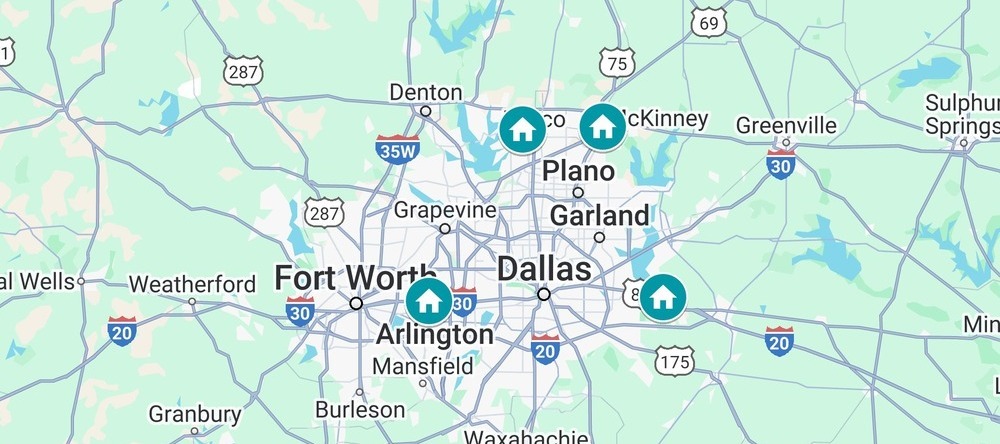
- Arlington, TX: 3900 Arlington Highlands Blvd Suite 237B Arlington, TX 76018
- Forney, TX: 713 W Broad St Suite 100 Forney, TX 75126
- Frisco, TX: 8275 Judges Way, Suite 100F, Frisco, TX 75036
- McKinney, TX: Virtual Mental Health Treatment
Discover More About BasePoint BreakThrough Today
Our Locations
Frisco, TX
Call Us
Admission Hours
7:00 AM to 7:00 PM (CST)
7 Days a Week
What Health Insurance Providers Typically Cover Online Schizophrenia Treatment in Texas?
Accessing virtual schizophrenia treatment in Texas is easier when your insurance plan covers online psychiatric help. Many major providers, including Aetna, Cigna, UMR, Blue Cross Blue Shield, and UnitedHealthcare, offer benefits for virtual counseling and other digital mental health services. This coverage allows you to receive professional treatment without traveling.
With these plans, you can often engage in app-based exercises, remote psychiatric consultations, or other telebehavioral health services, depending on your needs. Coverage may also extend to internet therapy sessions for co-occurring conditions, medication management, and cognitive remediation therapy. Understanding your plan allows you to maximize your benefits, manage your symptoms effectively, and maintain stability in daily life.
How Much Is Virtual Schizophrenia Treatment in Texas?
The cost of virtual schizophrenia treatment in Texas varies significantly depending on the services and intensity of care you receive. Individual therapy sessions average $150 to $250, while Partial Hospitalization Programs (PHPs) cost $350 to $850 per week. These estimates give you a general sense of what to expect, though insurance may lower rates or require only a copay.
Factors that influence pricing include session length, clinician expertise, symptom complexity, and whether additional services such as medication management or cognitive-behavioral therapy modules are included. Understanding these variables allows you to plan for treatment and choose options that meet your clinical needs and financial situation.
What Is a Typical Schedule for the Virtual Schizophrenia Therapy and Treatment Process?
A typical schedule for virtual schizophrenia therapy and treatment balances structured sessions with flexibility to fit your daily life. You may participate in regular online mental wellness appointments, individual counseling, and group sessions throughout the week, alongside medication management check-ins. The schedule is tailored to your needs, helping you maintain consistency while addressing key symptoms.
Daily or weekly routines often include therapy exercises, skill-building activities, and progress reviews with clinicians. You might also engage in digital modules for cognitive-behavioral therapy or symptom tracking between sessions. This combination ensures ongoing monitoring while allowing time for rest, self-care, and practical daily responsibilities, creating a structured yet manageable approach to virtual schizophrenia treatment.
What Is the Typical Admissions Process for Online Schizophrenia Treatment at BasePoint BreakThrough?
The typical admissions process for online schizophrenia treatment in Texas at BasePoint BreakThrough begins with an initial phone or online inquiry to gather basic information and answer your questions. You’ll then complete a clinical assessment where trained staff review your symptoms, history, and current needs to determine the most appropriate level of care for you.
Once the assessment is finished, the clinical team discusses recommended treatment options based on your goals and symptom profile. You’ll receive clear instructions on scheduling your first virtual session and any pre‑treatment steps, such as completing intake forms. Administrative staff explain costs, insurance details, and appointment logistics so you know what to expect. Call us at (972) 325-2633 to benefit from our structured process to help ensure your virtual mental health treatment matches your needs.
- According to Here for Texas, schizophrenia affects about 1% of people in the U.S., or 2.4 million adults over 18.
- UT Health East Texas reports that each year, about 1 in 25 U.S. adults experiences a serious mental illness, like schizophrenia, that significantly interferes with major life activities.
- According to NAMI, 769,000 Texas adults have a serious mental illness.
- A study from Texas A&M University reported a 77% increase in the number of mental health patients using telemedicine services between September 2012 and August 2018, with rural patients receiving mental health care through telemedicine increasing by 160% during the same period.
- According to SAMHSA, 265 mental health treatment facilities in Texas provide telehealth therapy options.