






Online Dependent Personality Disorder (DPD) Treatment for Young Adults in Texas
BasePoint BreakThrough provides comprehensive virtual mental healthcare for young adults in Texas, including specialized treatment for Dependent Personality Disorder (DPD) and related conditions such as anxiety, trauma, PTSD, bipolar disorder, ADHD, and self-harm. Through our secure telehealth platform, you can access evidence-based care, personalized support, and consistent clinical guidance from home—making treatment more flexible and accessible.
Our team conducts thorough clinical assessments to understand your needs and recommend the most appropriate level of virtual DPD treatment. Call us to schedule your confidential assessment, and continue reading to learn how our online outpatient programs can support long-term stability and independence.
What Makes BreakThrough’s Online Dependent Personality Disorder (DPD) Treatment Different?
Mental health treatment programs for addressing Dependent Personality Disorder (DPD) focus on helping you build independence, strengthen emotional regulation, and develop healthier relationship patterns. At BasePoint BreakThrough, our virtual DPD treatment takes these goals further with specialized personality disorder, focused care delivered entirely online. Our licensed clinicians use evidence-based therapy and structured skill-building to help you reduce dependency-driven behaviors and make more confident, autonomous decisions.
What sets BreakThrough apart is the level of personalized support you receive from home. Our virtual outpatient programming includes one-to-one therapy, group sessions, and family involvement when helpful, all tailored to your specific challenges with dependence, anxiety, conflict avoidance, or emotional instability. With consistent teletherapy check-ins and ongoing remote guidance, you gain a structured, supportive pathway toward long-term DPD recovery and improved emotional wellness.

What to Expect from Virtual Outpatient Therapy for Dependent Personality Disorder at BreakThrough
Online outpatient DPD rehab in Texas takes a structured, accessible approach to mental health care. These programs often include a combination of individual internet-based therapy, group sessions, and family support, all conducted through secure e-therapy platforms. This setup enables you to receive professional care from the comfort of your own home, making it easier to integrate treatment into your daily routine.
At BasePoint BreakThrough, you can expect a personalized dependent personality disorder treatment plan tailored to your specific needs. Our virtual programs offer evidence-based therapies, such as Dialectical Behavior Therapy (DBT), to help you develop healthier coping mechanisms and reduce emotional instability. Contact us to begin with a complimentary assessment.
BasePoint BreakThrough Accepts Insurance for Mental Health Treatment
Our confidential assessment with a licensed clinician will provide you with a recommendation for the appropriate level of mental health treatment for virtual dependent personality disorder treatment. We can also check your insurance treatment coverage levels.
Call us today at (972) 325-2633 to schedule a same-day assessment or complete our inquiry form.





BasePoint Breakthrough: Insurance Verification Form
Do Virtual DPD Treatment Options in Texas Include Counseling and Therapy Sessions?
Yes, online dependent personality disorder treatment typically includes counseling and therapy sessions. You can participate in individual internet-based therapy and telepsychology sessions that help you manage dependent personality disorder symptoms, build self-reliance, and improve emotional regulation. These sessions allow you to receive professional guidance without leaving home.
Through online mental health treatment for adults in Texas, you may engage in personality disorder therapy, learn coping strategies for emotional instability, and receive family support for dependent personality disorder. Telebehavioral health care makes it easier to stay consistent with treatment. Virtual outpatient rehab for adults with DPD provides flexibility while supporting your recovery and overall mental wellness.
Are There Different Formats or Types of Virtual PDP Therapy Available at BreakThrough for Adults?
Yes! Online dependent personality disorder treatment in Texas comes in a variety of formats that fit different needs and lifestyles. These can include phone sessions, video conferencing therapy, text-based support, and other forms of remote therapy. The following examples are common options, but they do not represent a comprehensive list of all available remote psychotherapy methods.
Cognitive-Behavioral Therapy (CBT) modules allow you to change unhelpful thought patterns that contribute to dependent personality disorder symptoms. Through structured exercises and guided digital therapy sessions, you learn to manage anxiety, improve decision-making, and build self-confidence. Engaging in online CBT enables you to practice these skills at your own pace with the support of a professional.
Virtual Reality (VR) therapy allows you to immerse yourself in controlled scenarios, enabling you to practice independence and decision-making skills safely. By facing situations that trigger your symptoms, you can develop confidence and emotional regulation in real-time. This innovative approach builds upon traditional therapy, providing you with interactive, hands-on opportunities to strengthen your coping skills from the comfort of your own home.
Specialized online therapy provides targeted treatment for dependent personality disorder, focusing on your challenges and patterns of reliance on others. You can explore personalized strategies for emotional regulation, relationship skills, and self-sufficiency. By participating in tailored cybertherapy sessions, you gain guidance and practical tools that help you navigate daily life, strengthen your independence, and work toward long-term recovery.
Video conferencing therapy allows you to connect face-to-face with a licensed professional from anywhere, making it easier to access consistent support for dependent personality disorder and emotional regulation. Through these sessions, you can discuss challenges, practice coping skills, and receive real-time feedback. Engaging visually improves communication and accountability, helping you build confidence and make progress toward greater independence
Phone therapy gives you the flexibility to receive treatment for dependent personality disorder wherever you are, even without a computer or internet connection. Through voice-only sessions, you can discuss challenges, explore coping strategies, and receive real-time guidance. This format is convenient, discreet, and helps you stay consistent with treatment while strengthening your independence and emotional resilience.
Text-based therapy allows you to communicate with a therapist at your own pace, making it easier to reflect on emotions and thoughts related to dependent personality disorder. Through secure messaging, you can receive guidance, advice on coping strategies, and remote emotional support without the pressure of a real-time conversation. This approach helps you build self-reliance and maintain consistent mental health care.
Email therapy lets you share your thoughts and challenges in writing, giving you time to reflect before expressing yourself. This format is beneficial if you struggle with dependent personality disorder symptoms like excessive reliance on others or fear of judgment. By receiving thoughtful, structured feedback from a therapist, you can develop coping skills, build independence, and track your progress.
Live chat therapy allows you to interact with a therapist in real time, offering immediate support for challenges related to dependent personality disorder. You can ask questions, receive guidance, and practice coping strategies instantly. This accessible format allows you to build confidence, strengthen emotional regulation, and make consistent progress.
App-based therapy puts mental health support at your fingertips, letting you access tools and guidance whenever you need them. Through interactive exercises, mood tracking, and secure messaging, you can build self-reliance and practice emotional regulation. This flexibility makes it easier for you to stay consistent with dependent personality disorder treatment and track your progress daily.
Online group therapy connects you with others facing similar challenges, offering a supportive environment to explore your dependent personality disorder symptoms. Sharing experiences and feedback helps reduce feelings of isolation and allows you to practice effective communication, assertiveness, and coping strategies. Participating in these sessions fosters connection, builds social confidence, and provides valuable perspectives.
Hybrid therapy combines in-person and digital therapy sessions, giving you the flexibility to receive consistent support while maintaining personal interaction. You can benefit from hands-on guidance during face-to-face meetings and continue practicing skills through e-counseling between in-person sessions. This approach helps you address your symptoms, strengthen your independence, and integrate coping strategies seamlessly into your daily life.
Do Virtual DPD Treatment Methods Often Include Group Therapy Sessions in Texas?
Yes, virtual dependent personality disorder treatment in Texas typically includes group therapy sessions. You have the opportunity to connect with others who face similar challenges, share experiences, and gain a new perspective. These internet therapy sessions help you practice effective communication, build assertiveness, and develop coping skills while feeling supported in a safe and structured environment.
Participating in online group therapy allows you to explore your dependent personality disorder symptoms, improve emotional regulation, and learn from peers’ successes and challenges. Through remote psychotherapy, you can receive professional guidance while engaging with a community that fosters accountability, connection, and growth.
Will Insurance Cover Online Dependent Personality Disorder Treatment in Texas?
Yes, many insurance plans in Texas cover online treatment for Dependent Personality Disorder (DPD). Coverage often extends to telehealth counseling and other digital mental health services, enabling you to access professional care from the comfort of your own home. Coverage can vary depending on your plan.
BasePoint BreakThrough helps you understand what your insurance will cover. Our team will explain your benefits for virtual mental health treatment for adults in Texas and schedule an assessment for personalized care. Contact us today to get started.
Our Online Mental Health Treatment Programs for Emerging Adults Managing DPD in Texas
BasePoint has multiple treatment facilities in Texas and provides virtual outpatient rehab for adults with DPD. You can access professional care from the comfort of your own home through teletherapy, virtual counseling, and other telemental health solutions. These programs help you develop independence and improve emotional regulation while allowing you to maintain your daily routine.
BasePoint tailors treatment to your specific needs. In online mental health treatment for adults in Texas, you can participate in personality disorder therapy, learn coping strategies for emotional instability, and receive dependent personality disorder medication, if necessary, all guided by licensed professionals. Call (972) 325-2633 to learn more about virtual dependent personality disorder treatment in Texas and schedule an assessment today.
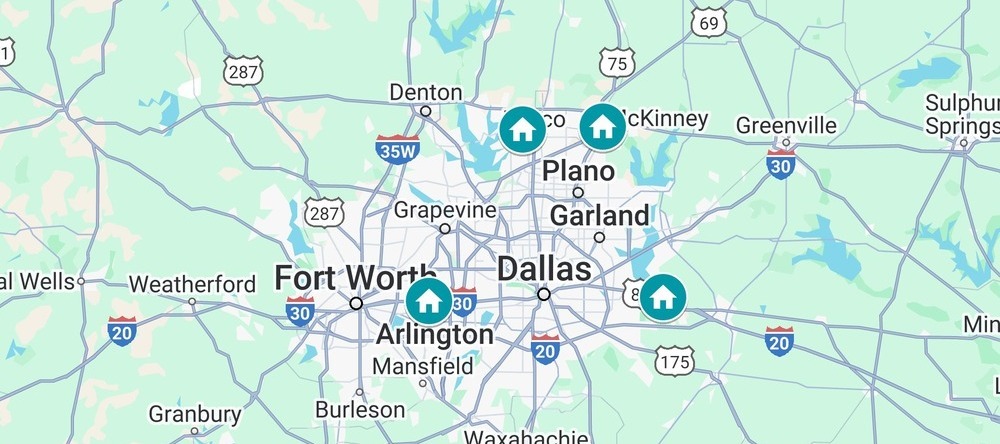
- Arlington, TX: 3900 Arlington Highlands Blvd Suite 237B, Arlington, TX 76018
- Forney, TX: 713 W Broad St Suite 100, Forney, TX 75126
- Frisco, TX: 8275 Judges Way Suite 100F, Frisco, TX 75036
- McKinney, TX: Virtual Mental Health Treatment
Discover More About BasePoint BreakThrough Today
Our Locations
Frisco, TX
Call Us
Admission Hours
7:00 AM to 7:00 PM (CST)
7 Days a Week
Which Popular Insurance Providers Offer Coverage for Online DPD Treatment in TX?
Several major health insurance providers in Texas, including Aetna, Blue Cross Blue Shield (BCBS), Cigna, and UnitedHealthcare, cover online treatment for Dependent Personality Disorder (DPD). With these plans, you can access online psychiatric help and telebehavioral health sessions from the comfort of home.
Depending on your plan, your benefits may cover different types of treatment, such as online outpatient DPD rehab in Texas. Copayments, session limits, or preauthorization requirements can vary, but having insurance reduces the cost of professional online mental wellness support while helping you maintain consistent progress toward dependent personality disorder recovery.
How Much to Expect to Pay for Online DPD Treatment Programs in Texas
The cost of online DPD treatment programs in Texas varies depending on the type and intensity of care you choose. For individual cybertherapy sessions, you can typically expect to pay $150 to $250. Structured programs, such as PHPs, that provide more structured support may range from $350 to $850 per week.
These estimates may vary depending on factors such as the provider, session length, treatment format, and any additional services included. Insurance coverage may reduce your out-of-pocket costs. Understanding these estimates allows you to plan for online dependent personality disorder treatment.
BasePoint BreakThrough's Admissions Process for Online Dependent Personality Disorder Treatment
The admissions process for online dependent personality disorder treatment at BasePoint in Texas is designed to ensure you receive the best care for your needs. It typically involves several steps that enable us to understand your mental health history, current challenges related to DPD, and your treatment goals before creating a personalized plan.
- Initial Contact: You reach out to BasePoint to express interest in virtual mental health treatment for adults in Texas. This step often involves providing basic information and discussing your needs.
- Pre-Screening: A brief evaluation or questionnaire may be completed to determine eligibility for web-based mental health support.
- Comprehensive Assessment: Licensed professionals review your mental health history, current symptoms, and goals.
- Treatment Planning: Based on your assessment, a personalized virtual mental healthcare plan is created.
- Orientation and Scheduling: You receive guidance on how to access online psychiatric help and other online mental wellness services.
What to Expect from the Virtual DPD Therapy and Treatment Process at BreakThrough
In virtual dependent personality disorder therapy and treatment in Texas, you can expect a structured process designed to address your needs while offering flexibility and convenience. From the comfort of home, you will engage in telepsychology sessions that help you manage DPD symptoms, build emotional regulation skills, and develop greater independence.
Your virtual treatment may include a combination of individual teletherapy and group sessions tailored to your goals. You will work with licensed professionals who provide guidance, coping strategies, and therapy for personality disorders to help you navigate challenges. Through telemental health solutions, you gain tools for long-term dependent personality disorder recovery and improved mental wellness.
- Dependent personality disorder affects approximately 0.5% to 0.6% of the population and occurs more frequently in adults aged 18 to 29, according to StatPearls.
- Women are more likely to show dependent personality disorder symptoms, according to Psychology Today.
- Dependent personality disorder may develop due to a combination of factors, including childhood trauma, abuse, genetic predisposition, and cultural or family influences that encourage excessive reliance on others, according to the Cleveland Clinic.
- DPD is considered a Cluster C personality disorder, along with avoidant
- and obsessive‐compulsive personality disorders, according to the Marquette University Graduate Journal of Counseling Psychology.
- Comorbidities like alcohol use disorder, depression, or other personality disorders are common among patients with dependent personality disorder, according to MSD Manual.