






Failure to Launch Treatment Program Near Dallas
BasePoint BreakThrough operates several facilities in the Dallas area, offering specialized support for young adults and their families. Our treatment programs feature a young adult–specific curriculum and life-stage awareness that focuses on developmental needs, independence skills, and transitional planning. We provide both in-person and online treatment options so care can be tailored to your current circumstances.
We offer comprehensive assessments to identify underlying barriers—emotional, behavioral, social, or skill-based—and recommend individualized treatment plans that may include therapy, skills coaching, family involvement, and stepwise goals for independence. To schedule an assessment, call or complete our contact form, and a care coordinator will contact you to arrange next steps. In the meantime, continue reading to learn more about failure to launch treatment near Dallas, Texas.
What Does “Failure to Launch” Mean?
“Failure to launch” describes a pattern in which a young adult struggles to assume independent adult roles, such as steady employment, education, or self-care, despite being capable of doing so. It reflects persistent dependence on family, avoidance of responsibilities, and difficulty initiating typical life transitions.
Causes vary and often include anxiety, depression, executive-function or motivational deficits, unresolved family dynamics, or skills gaps. Failure to launch mental health treatment targets underlying issues through psychotherapy, skills training, and gradual goal-setting to build independence and confidence. Are you concerned for yourself or someone you love? Call BasePoint BreakThrough to learn more about our young adult treatment programs today.
Signs of Failure to Launch in Early Adulthood
Early adulthood can bring big transitions. When progress stalls, it may be a sign of “failure to launch,” a rising trend among young adults, according to the Pew Research Center. Below are common, easy-to-recognize signs to watch for that may indicate you or someone you love is experiencing this.
- Difficulty maintaining work or school (frequent absences, poor performance, sudden dropouts)
- Inability to begin or follow through on next steps (procrastination, paralysis around applications or interviews)
- Persistent avoidance of responsibility (letting others handle bills, appointments, or tasks)
- Living at home longer than expected with ongoing conflict or emotional distress
- Reliance on family for basic needs despite the capability for independence
- Lack of planning or goal-setting for the future (no clear short- or long-term goals)
- Loss of motivation, confidence, or sense of purpose
- Social withdrawal or limited peer support that hinders opportunities
- Poor executive‑functioning skills (difficulty organizing, prioritizing, or managing time)
- Emotional or mental‑health barriers (anxiety, depression, or substance use interfering with functioning)
- Repeated short-term relationships or unstable social connections that undermine stability
Getting Treatment at BasePoint BreakThrough
At BasePoint BreakThrough, our failure-to-launch treatment involves clinicians, coaches, and a curriculum designed to support the developmental needs and independence-building of young adults. Our empowerment curriculum combines evidence-based therapy, practical life skills coaching, and family engagement to help you or your loved one set achievable goals, build confidence, and practice real-world tasks in a supportive environment.
We offer same-day assessments and insurance verification to reduce delays, plus multiple Dallas, Texas-area locations and online treatment options so care plans fit your schedule and circumstances. Each treatment plan is customized to support sustainable steps toward independence. Contact BasePoint BreakThrough for your initial assessment today.

Failure to Launch Treatment Options Near Dallas
Failure-to-launch treatment near Dallas, Texas, includes multiple levels of care and telehealth options. This mental health treatment for young adults involves assessments, individualized treatment plans, same‑day insurance verification, and flexible support to guide you or your loved one toward newfound independence.
Common components include cognitive‑behavioral therapy, executive‑function and life‑skills training, motivational interviewing, family coaching, peer skills groups, and coordinated care planning to address anxiety, depression, substance use, and practical barriers to launching.
Structured outpatient treatment helps young adults with difficulty transitioning to adulthood by providing regular therapy, life skills coaching, and family sessions while they continue their daily responsibilities. Programs focus on building executive functioning, vocational or educational supports, and independence goals in a predictable, clinic-based schedule.
Care plans are individualized and may include Cognitive Behavioral Therapy (CBT), motivational interviewing, and coordinated referrals to community supports. All these interventions reduce reliance on family and increase real-world functioning.
A PHP for failure to launch provides intensive, daytime care without overnight stays, ideal for young adults needing concentrated support through therapy, skills training, and case management. You’ll attend structured programming multiple days per week to address acute barriers to independence while maintaining connections to home or school.
An IOP for failure to launch offers flexible, multi-week treatment that balances therapeutic intensity with ongoing life commitments. It includes group therapy, individual counseling, and practical workshops (job-search skills, budgeting, time management) to address barriers to the adoption of adult roles. IOP supports transition planning, coordination with schools or employers, and relapse prevention to sustain gains made in treatment.
Virtual failure-to-launch treatment delivers evidence-based therapy, coaching, and family sessions via telehealth for young adults who need remote access or scheduling flexibility. Online programs can replicate skills groups, provide remote assessments, and integrate digital tools to track goals and homework. Virtual care is customizable and can also be combined with in-person services to form a hybrid plan.
Is Failure to Launch a Mental Health Condition?
Failure to launch is not a formal psychiatric diagnosis but a descriptive pattern reflecting difficulty achieving expected adult roles; it often signals underlying mental health conditions (anxiety, depression, ADHD), skill deficits, or family dynamics. Recognizing the pattern guides assessment and targeted interventions rather than labeling a single disorder.
BasePoint BreakThrough’s comprehensive evaluation identifies contributing clinical issues and functional barriers. This valuable service enables our seasoned clinicians to recommend appropriate failure-to-launch therapy modalities and support programs for young adults. Call 972-325-2633 to schedule your or your loved one’s assessment today.
Mental Health Conditions That Often Contribute to Failure to Launch
Many cases of failure to launch stem from anxiety disorders, depression, ADHD, or executive‑function deficits, and burnout or high life stress. Substance use, autism spectrum traits, and untreated trauma can also interfere with motivation, planning, and social functioning. These are common contributors to young adults not functioning as expected.
BasePoint BreakThrough Accepts Insurance for Mental Health Treatment
Our assessment with a licensed clinician will provide you with a recommendation for the appropriate level of mental health treatment coverage. We can also verify your insurance coverage levels to determine the treatment costs.
Call us today at (972) 325-2633 to schedule a same-day assessment or complete our inquiry form.





BasePoint Breakthrough: Insurance Verification Form
Resources for Families: Supporting a Young Adult in Your Life
Supporting a young adult means balancing help with opportunities for independence. Avoid doing tasks they can do themselves; set clear boundaries; and offer guided support, such as coaching on job searches, budgeting, or appointment-setting, rather than solving problems for them. Gentle accountability, consistent expectations, and regular check‑ins help shift responsibility back to the young adult without cutting off care.
Families can use community resources (skills groups, employment services, campus supports, peer programs, and therapy for young adults). Consider family therapy to improve communication and repair strained relationships. If you’re unsure where to start, contact BasePoint BreakThrough for a free assessment to explore tailored treatment options and a family‑informed plan that supports healthy steps toward independence.

Does Insurance Cover Failure to Launch Treatment in Texas?
Yes, many insurance plans in Texas cover medically necessary failure-to-launch treatment. This may cover outpatient therapy, IOP, and PHP when services meet medical necessity criteria and are provided by in‑network or credentialed clinicians. Coverage varies by insurer, documentation, and other factors, so verification is needed for each case.
BasePoint BreakThrough offers same‑day insurance verification and can clarify your benefits, copayments, and prior authorization requirements. Call us or complete our convenient and confidential contact form to begin a free assessment and benefits check today.
How Long Does Failure to Launch Treatment Usually Last?

Failure-to-launch treatment duration varies by severity, underlying conditions, and program type, but most young adults see meaningful progress within weeks to a few months with structured care. Short‑term outpatient work may last 6–12 weeks, while more intensive or complex cases may require several months of coordinated treatment and follow‑up.
IOP courses often run 8–12 weeks with multiple weekly sessions; PHPs may be shorter but more concentrated (several weeks). An ongoing outpatient failure to launch program, skills coaching, or medication management can extend treatment to 6–12 months or longer for co‑occurring disorders or developmental needs. Clinicians set timelines based on measurable goals and your recovery progress. Stepped care or regular outpatient therapy sessions help to maintain gains.
Choosing the Right Level of Care for You
Choosing the right level of care depends on current functioning, safety, and the intensity of support needed. For example, mild to moderate struggles may start with outpatient therapy and skills coaching, while significant impairment, safety concerns, or rapid decline often warrant IOP or PHP. Clinicians consider symptoms, daily functioning, and concrete goals when recommending a level of care.
If you’re unsure which option fits your situation, contact BasePoint BreakThrough for a free assessment or call our compassionate team. Same‑day assessments and insurance verification are available to guide you to the appropriate, personalized treatment plan.
Getting Started With Failure to Launch Treatment Near Dallas
BasePoint BreakThrough operates multiple treatment facilities near Dallas, Texas. We also provide flexible online treatment options to serve young adults and families statewide. Whether you prefer in‑person care near Dallas or remote psychotherapy sessions, we offer same‑day assessments, insurance verification, and customized treatment plans to help you begin your path to excellence.
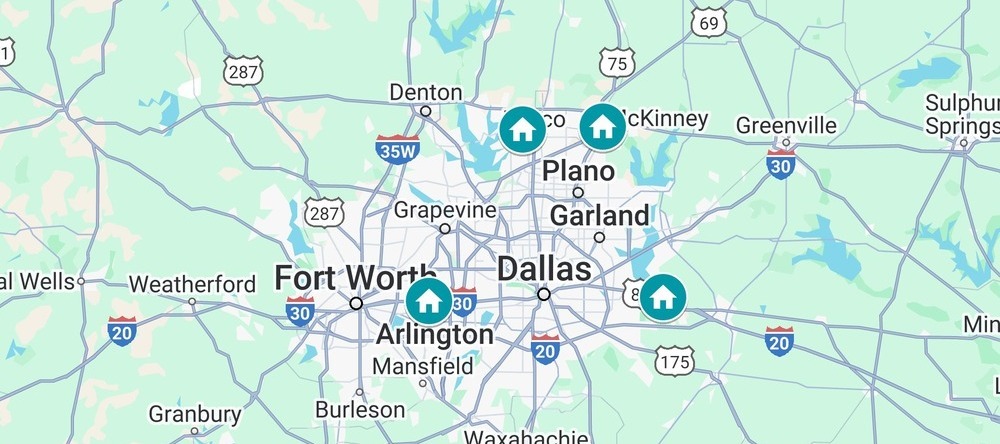
- Arlington, TX: 3900 Arlington Highlands Blvd Suite 237B Arlington, TX 76018
- Forney, TX: 713 W Broad St Suite 100 Forney, TX 75126
- Frisco, TX: 8275 Judges Way, Suite 100F, Frisco, TX 75036
- McKinney, TX: Virtual Mental Health Treatment
Discover More About BasePoint BreakThrough Today
Our Locations
Frisco, TX
Call Us
Admission Hours
7:00 AM to 7:00 PM (CST)
7 Days a Week
What Is the Typical Admissions Process for Failure to Launch treatment?
Admissions for failure-to-launch treatment at BasePoint BreakThrough follow a streamlined process to assess needs, verify benefits, and begin individualized care quickly. While the steps may vary from one treatment center and individual to the next, the following is a brief overview of what you can typically expect.
- Initial assessment: A clinician gathers history, current symptoms, safety concerns, and functional goals via phone or telehealth to determine urgency and level of care.
- Insurance verification: Our team completes a benefits check to confirm coverage, prior authorization needs, and estimated out-of-pocket costs.
- Intake appointment: A comprehensive clinical interview and baseline screenings are completed in person or virtually to establish diagnosis and consent.
- Treatment planning: The multidisciplinary team collaborates with you or your loved one and family to set measurable goals, select therapeutic modalities, and outline a timeline.
- Program orientation: Participants and families receive a brief overview of schedules, expectations, policies, and crisis procedures to support engagement.
- Treatment and follow-up: Care begins per the plan (therapy, skills coaching, IOP/PHP, medication management) with regular reviews and stepped care or aftercare as needed.
Psychology Today reports that men represent more than 75% of individuals with substance use disorders, often beginning in late adolescence or early adulthood. In the U.S., suicide rates among males aged 15–24 are more than four times those of females the same age. These figures suggest many young men face significant psychosocial challenges, including patterns like failure to launch, that may help explain their higher risk for substance use and suicidal behavior.
The Texas Hospital Association cites a February 2023 analysis finding that 36.8% of Texas adults reported symptoms of anxiety and/or depressive disorders, above the national rate of 32.3%.
Forbes cites three factors contributing to the rising rates of failure to launch syndrome:
- Emotional avoidance
- Fear of failure
- Family dynamics
The Journal of the American Academy of Child and Adolescent Psychiatry notes that young people who struggle to function independently often experience shame and isolation as their peers achieve milestones while they face growing disability.
A University of Texas at Austin research initiative found that many community college students face mental health challenges frequently linked to responsibilities outside school.