




Reactive Attachment Disorder (RAD) Treatment Center Near Dallas, Texas
At BasePoint BreakThrough, we can help you learn to manage broad range of mental health conditions, including untreated Reactive Attachment Disorder (RAD) symptoms. If you have contended with neglect or abuse during early childhood, our treatment centers in the Dallas, Texas, region offer specialized care that’s tailored to your unique needs.
Additionally, we collaborate with many insurance providers to reduce your out-of-pocket expenses for moments when you need crucial support. Call or complete our convenient contact form to speak with a helpful BasePoint representative today, and continue reading to learn more about reactive attachment disorder treatment near Dallas.
Reactive Attachment Disorder (RAD) Treatment at BasePoint BreakThrough
Reactive Attachment Disorder (RAD) begins with early childhood disruptions in safety, consistency, and connection. These patterns can carry forward into your life as trust issues, emotional detachment, withdrawal, or pushing people away even when you want support. At BasePoint BreakThrough, we take these symptoms seriously and focus on helping you feel more steady in your body, safer in your relationships, and more in control of emotional reactions.
Our clinicians will start with a thorough mental health assessment to understand what is driving your symptoms and whether attachment trauma, PTSD, depression, or other co-occurring concerns are part of the picture. From there, we will build a personalized treatment plan that can include trauma-informed therapy sessions, skills development for emotional regulation, and psychiatric support when appropriate. If you are ready for a treatment experience that is compassionate, practical, and built around real-life progress, call BasePoint BreakThrough to schedule an initial assessment.
What Causes Reactive Attachment Disorder in Adults?
Reactive attachment disorder in adults is most often caused by unresolved childhood trauma, especially when it involves disrupted bonding during early development stages. Experiences like foster care trauma, neglect, abuse, or serious parent-child relationship problems can interfere with a child’s ability to form secure emotional connections.
If you didn’t receive consistent, nurturing care as a child, you may have stopped seeking comfort from others and began relying only on yourself to feel safe. This pattern, often formed in response to chaotic or harmful environments, can harden your feelings and ability to connect over time. This can result in you struggling with emotional and behavioral dysregulation in your adult years, sometimes without fully understanding why.
Even if later placed in a more stable setting, the early relational trauma and damage to the attachment system can linger. Healing from RAD often requires addressing those deep-rooted patterns formed through early disrupted bonding, and working through the pain of fractured relationships. With the right support, though, recovery is possible; you can rebuild your connections with others, as well as with yourself.
BasePoint BreakThrough Accepts Insurance for Reactive Attachment Disorder Treatment
Our confidential assessment with a licensed clinician will provide you with a recommendation for the appropriate level of RAD care based on your unique needs and goals. We can also take this time to check your insurance coverage levels so you understand the ins and outs of your benefits.
Call us today at (972) 325-2633 to schedule a same-day assessment, or complete our contact form.





Find Out About Our Treatment Admissions Process
Contact Us Form
What Are Signs and Symptoms of Reactive Attachment Disorder (RAD)?
Reactive Attachment Disorder (RAD) symptoms don’t always look the way you might expect. While some may appear distant or withdrawn, others may act out in confusing or defiant ways. At its core, this condition is rooted in early attachment issues; when a child hasn’t developed a secure bond with a caregiver, the effects can ripple into connections with others for years. Here are a few common symptoms to be aware of:
- Emotional detachment – You may struggle to express or even recognize your own emotions. You may seem emotionally flat or unaffected, even in situations where strong feelings would be expected;
- Avoidance of closeness – Because of early attachment disruption, you could resist affection, push others away, or avoid forming meaningful connections altogether. This isn’t about disinterest – it’s about self-protection;
- Difficulty trusting others – Trust issues can make it hard for you to believe that people will stick around or have your best interests at heart. This can lead to isolation, defensiveness, and insecure attachments with others;
- Anger or irritability – You may express your pain through anger, lashing out at others, or reacting with intense frustration over minor issues. This can be a way of keeping others at a distance.
- Lack of guilt or remorse – When empathy hasn’t had the chance to fully develop due to disrupted bonding, it may show up as indifference to the feelings or experiences of others; and/or
- Controlling or manipulative behaviors – As a way to manage your environment and reduce feelings of vulnerability, you may try to stay in control of situations and relationships.
These symptoms don’t come from a place of malice. They’re often the result of deep emotional wounds. Recognizing the signs is the first step toward helping yourself or someone you love move toward healing, connection, and healthier attachment. If you’re noticing any of these signs or symptoms in yourself or are concerned about someone else, call BasePoint BreakThrough’s for a no-obligation evaluation. Our experienced team can conduct a confidential assessment to determine the next best steps.
What Are the Types of Reactive Attachment Disorder?
Reactive Attachment Disorder (RAD) presents in two primary forms: inhibited and disinhibited. With the inhibited type, you or your loved one tends to pull away emotionally, avoiding close connections and seeming emotionally distant. This is often a result of emotional neglect or inconsistent care that disrupted the ability to form healthy bonds in early childhood.
The disinhibited type is characterized by a lack of proper social boundaries. You or your loved one may act overly familiar or trusting toward strangers, seeking attention or affection in ways that feel out of place. This abnormal attachment behavior reflects early experiences where secure attachment didn’t develop, causing attempts to connect with anyone who might provide comfort.
Both types benefit from psychotherapy to build healthier, more stable relationship skills. Contact BasePoint BreakThrough today to learn more about your treatment options for reactive attachment disorder near Dallas, Texas.
What Are the Effects of Reactive Attachment Disorder?
If you’re navigating the challenges of Reactive Attachment Disorder (RAD), you might notice it impacting every aspect of your life: how you connect with others, how you manage emotions, and how you behave in different situations. RAD can make building trust feel nearly impossible, leaving you emotionally distant or, at times, unsure how to act around people.
You might find yourself feeling isolated, angry, or afraid to create closeness, even when you want to. This can affect your self-esteem and make meaningful relationships feel distant and out of reach. Sometimes you might withdraw completely or, at the opposite extreme, act overly friendly with people you don’t know well, struggling to set healthy boundaries.
Behaviorally, reactive attachment disorder symptoms can show up as moments of anger, defiance, or impulsiveness, resulting in challenges at work or school, within friendships, or in family life. Without proper treatment, these patterns can persist well into adulthood, affecting your ability to form deep connections, maintain a steady job, or experience true emotional fulfillment.
However, early and focused treatment can help you regain control and build the secure, loving relationships you deserve. Call BasePoint BreakThrough to start walking the path towards connection and emotional peace.
What Are Co-Occurring Disorders Associated With Reactive Attachment Disorder?
It’s essential to know that Reactive Attachment Disorder (RAD) often doesn’t exist on its own. Co-occurring disorders alongside reactive attachment disorder are common, making your experience more complex but also more understandable. Recognizing these overlapping challenges is a key step toward getting the right kind of help for all present conditions.
These co-occurring disorders can amplify feelings of isolation, confusion, or frustration, making daily life feel even more overwhelming. That’s why seeking support from a specialized co-occurring disorders treatment center like BasePoint can make a real difference. Common co-occurring concerns that exist alongside RAD include, but are not limited to, the following:
If you’re managing RAD, it’s possible you might also experience symptoms of Attention-Deficit/Hyperactivity Disorder (ADHD). These symptoms can include trouble focusing, impulsiveness, or feelings of restlessness. These ADHD-related challenges can intensify emotional ups and downs, making everyday tasks more difficult. Understanding this overlap helps you find coping skills tailored to your unique needs.
Depression often appears alongside reactive attachment disorder, bringing waves of sadness, low energy, or feelings of hopelessness. Symptoms of depression can make it hard to stay motivated or connect with others, which makes dealing with RAD even more difficult. Recognizing this link is important because treating both together can help you regain emotional balance as well as rediscover hope and connection.
Anxiety can add another layer of struggle, causing persistent worry, tension, or physical symptoms like a rapid heartbeat. If you also have reactive attachment disorder, anxiety might make trusting people or stepping into new social situations feel especially overwhelming. Still, evidence-based treatment and comprehensive support can help you build resilience and find calm.
Cognitive delays sometimes accompany RAD, affecting how quickly you’re able to process information, solve problems, or learn new skills. These challenges may slow certain areas of growth, but identifying them means you can access support designed to help you thrive on your own timeline.
Language delays can make it harder to express your thoughts and feelings clearly. This is particularly difficult when you’re also working through reactive attachment disorder. This gap might cause frustration or misunderstandings, but with effective support and a personalized treatment plan, you can strengthen your communication skills and build meaningful connections.
If severe malnutrition affected you early in life, it could have disrupted your brain development and complicated the effects of RAD. Proper nutrition and medical care are key parts of healing from RAD; not just physically, but emotionally too. Making these physical changes allows you to create a stronger foundation for your well-being moving forward.
What Is a Reactive Attachment Disorder Treatment Program Close to Dallas, Texas?
A reactive attachment disorder treatment program near Dallas, Texas, such as BasePoint BreakThrough, offers support and solutions when you’re struggling with deep-rooted relationship and trust issues that stem from early childhood trauma. At BasePoint BreakThrough, we understand the complexities of RAD and offer structured, evidence-based care.
If you’re looking for a program focused on emotional regulation, trust-building, and relational healing, BasePoint BreakThrough ensures you’ll have all the tools you need to set you up for success. Therapies may include trauma-informed care, individual counseling, and family therapy, all designed to rebuild the foundation for healthy attachment in a safe and consistent environment.
The ultimate goal of RAD treatment is to help you or your loved one develop healthier coping mechanisms, improve emotional awareness, and form more secure, meaningful relationships. It’s not just about managing reactive attachment disorder symptoms, it’s about addressing the root of the pain and creating lasting emotional healing.
Treatment Programs for Reactive Attachment Disorder Near Dallas, TX
An Intensive Outpatient Program (IOP) for RAD offers structured, consistent care without completely removing you from your daily life. This program type meets for several hours 3-5 days per week and involves individual therapy, group sessions, and sometimes family involvement. These interventions give you the tools to manage reactive attachment disorder while maintaining daily responsibilities. IOPs are ideal for balanced support, offering more than standard outpatient therapy.
A Partial Hospitalization Program (PHP) is a more immersive option that provides full-day therapeutic support while allowing you to return home at night. This level of care is ideal if you’re dealing with more intense reactive attachment disorder symptoms, including emotional outbursts or trust issues that make relationships difficult.
Outpatient therapy is a great choice if your symptoms are manageable and you’re looking to maintain regular routines. This type of care usually includes weekly or bi-weekly individual sessions and can be customized to meet your emotional and relational goals. It allows you to continue working on attachment and trauma-related challenges with professional guidance over time.
Online treatment for reactive attachment disorder provides you with the flexibility to access care from anywhere. Whether you’re in a remote area, managing a tight schedule, or just feel more comfortable at home, virtual therapy can connect you to skilled providers who understand the complexities of RAD. You’ll receive the same quality of support, including trauma-informed therapy and attachment-based work.
A residential treatment facility or inpatient treatment center offers 24/7 care in a safe, stable setting, which can be important when facing severe reactive attachment disorder symptoms. These programs give you time and space to step away from outside stress and focus entirely on healing, with access to daily therapy, structured routines, and support from trained professionals.
Whether you’re looking for structure, flexibility, or a mix of both, treatment program options for reactive attachment disorder include outpatient treatment centers such as BasePoint and those we’ve briefly outlined below. These programs help you rebuild trust, regulate emotions, and form healthier relationships, all while addressing the underlying causes of early childhood disorders.
Finding a Reactive Attachment Disorder Therapy and Treatment Program Around Dallas
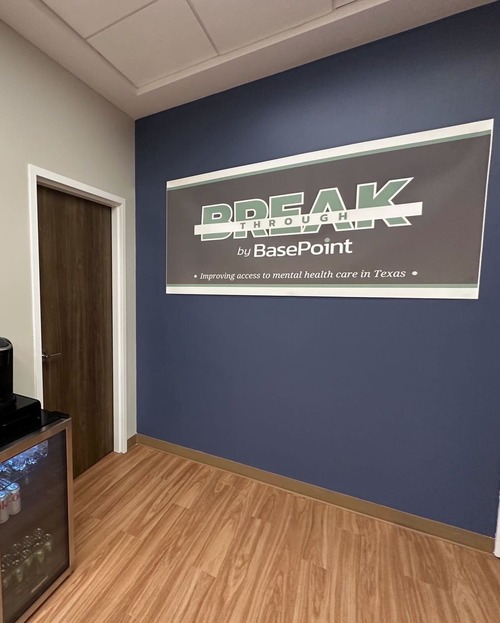
BasePoint BreakThrough offers comprehensive reactive attachment disorder treatment in the Dallas, Texas region. Our multiple specialty treatment centers are equipped to address your RAD treatment needs through personalized, top-tier care. Our licensed, experienced professionals understand the unique needs of young adults (age 18-35), and use clinical expertise to aid in healthier futures for young Texans.
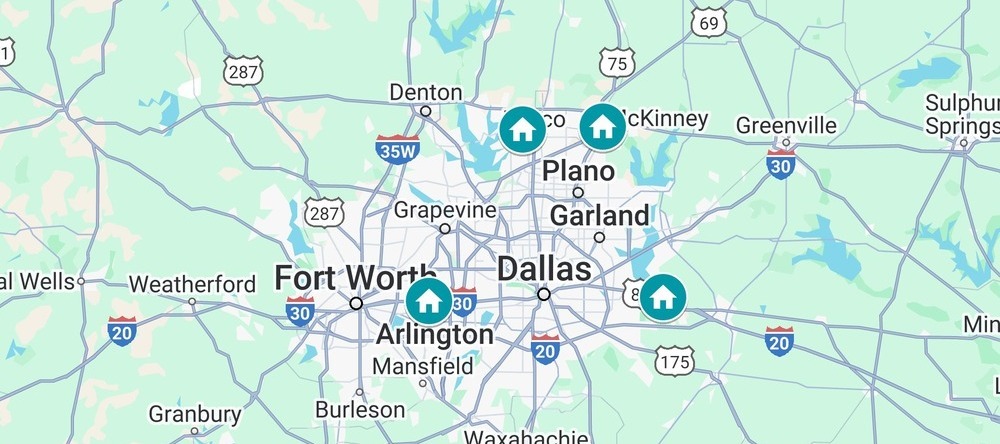
- BasePoint BreakThrough – Arlington, Texas: 3900 Arlington Highlands Blvd Suite 237B, Arlington, TX 76018
- BasePoint BreakThrough – Forney, Texas: 713 W Broad St Suite 100, Forney, TX 75126
- BasePoint BreakThrough – McKinney, Texas (virtual care): 4733 Medical Center Drive, McKinney, TX 75069
- BasePoint BreakThrough – Frisco, Texas: 8275 Judges Way Suite 100F, Frisco, TX
Discover More About BasePoint BreakThrough Today
Young Adult Treatment Locations
Forney, TX
McKinney, TX (Virtual)
Frisco, TX
Call Us
Admission Hours
7:00 AM to 7:00 PM (CST)
7 Days a Week
Types of Therapy Available for RAD Near Dallas, TX
If you’re searching for therapy for Reactive Attachment Disorder (RAD) near Dallas, you’re already taking an important step toward healing. Whether you’re seeking weekly talk therapy, trauma-informed care, or more specialized treatment options, you have a range of services available, all tailored to your specific needs. Texas-based RAD treatment centers like BasePoint BreakThrough take a personalized approach to healing and recovery.
Here are just a few examples of the therapy and counseling modalities available; they’re not a complete list, but they give you a good sense of where to start. Many of these are facilitated in both individual and group therapy sessions. Contact us today for more information about the RAD therapy options available at BasePoint BreakThrough.
Dialectical Behavior Therapy (DBT) is beneficial when you're struggling with the intense emotions and impulsive behaviors often seen with reactive attachment disorder. This therapy focuses on building emotional regulation, mindfulness, distress tolerance, and interpersonal skills. These are core tools that can help you form more stable relationships and reduce emotional overwhelm.
DBT is often offered in both individual and group formats, giving you space to practice new skills in real-time while getting support from peers and professionals. It’s particularly effective when combined with other therapies as part of a comprehensive treatment plan.
Cognitive-Behavioral Therapy (CBT) helps you understand how your thoughts, feelings, and behaviors are connected, especially when early attachment issues have shaped the way you see the world. In CBT sessions, you’ll learn how to challenge negative, unproductive thought patterns and develop healthier responses to stress, conflict, and relationships.
If you have RAD, this therapy can be a powerful tool in breaking down defensive patterns and rebuilding trust in yourself and others. CBT is widely used and often forms the foundation of many programs for reactive attachment disorder treatment in Dallas, Texas and beyond.
Transference-Focused Psychotherapy (TFP) is a deeply relational form of therapy that explores how early attachment wounds show up in your current relationships, including with your therapist. It helps you better understand the emotional reactions you have to others and why you may struggle with closeness or trust.
TFP is especially useful for reactive attachment disorder and can help address intense emotional shifts or black-and-white thinking in relationships. It encourages emotional awareness, insight, and growth by using the therapeutic relationship as a safe space to work through old patterns.
If RAD has made it hard for you to function in daily life—whether socially, emotionally, or academically—rehabilitation and skills training can help you rebuild. This approach focuses on teaching practical life and social skills, emotional self-regulation, and healthy relationship behaviors.
It’s not just about learning new habits; it’s about rewiring old survival strategies that no longer serve you. With support, you can develop the confidence and capability to move through the world with more ease and connection.
While there aren’t specific reactive attachment disorder medications, psychiatric support can be a crucial part of treatment, especially if you’re also dealing with anxiety, depression, or mood instability. A provider at a holistic treatment center like BasePoint BreakThrough will carefully evaluate your symptoms to determine if prescribed medications can support your overall healing.
When used thoughtfully and in combination with talk therapy, medication management can contribute to emotional regulation, mood stabilization, and remaining engaged in treatment. It's never a one-size-fits-all solution, but for many, medication can be a helpful piece of the puzzle.

Does Health Insurance Cover Reactive Attachment Disorder Treatment Near Dallas, Texas?
Yes, most health insurance plans do cover treatment for Reactive Attachment Disorder near Dallas, Texas, especially when the care is considered medically necessary. If you or your loved one is struggling with reactive attachment disorder symptoms—like emotional detachment, trust issues, or behavioral outbursts—insurance can often reduce the cost of therapy, medication management, and specialized treatment programs.
Providers like Blue Cross Blue Shield of Texas, Aetna, Cigna, United Healthcare, Humana, and Magellan typically offer coverage for therapies, psychiatric care, and even more intensive programs when deemed medically necessary. That said, coverage details can vary depending on your specific plan and the type of treatment you need. At BasePoint BreakThrough, we take care of insurance for you. Call us to verify your insurance details for reactive attachment disorder treatment around Dallas, Texas, today.
Confidential Reactive Attachment Disorder Assessments Near Dallas, Texas
If you’re concerned that you or someone you love may be struggling with Reactive Attachment Disorder (RAD), a confidential assessment around Dallas, Texas, can be a crucial first step. These assessments can identify reactive attachment disorder symptoms like emotional detachment, difficulty with trust, or disrupted relationships. The goal is to offer clarity on whether RAD and/or a related condition may be present.
BasePoint BreakThrough offers comprehensive reactive attachment disorder assessments in a private, supportive setting. Our team uses evidence-based screening tools to uncover underlying emotional and behavioral challenges tied to early childhood experiences. This assessment is complimentary, judgment-free, and opens the door to valuable treatment recommendations, whether that’s therapy, medication management, or a structured treatment program. Call 972-325-2633 to take advantage of this free evaluation today.
How Much Does Reactive Attachment Disorder Treatment Cost Near Dallas, Texas?
The cost of treatment for reactive attachment disorder can vary greatly, often falling between $5,000 and $30,000 or more out-of-pocket. Pricing depends on several factors, including the type of program—whether it’s outpatient, residential, or individual therapy—the length of treatment, and the facility’s location..
Costs with health insurance support often come with significantly lower out-of-pocket expenses. Depending on your plan and treatment needs, costs usually range from $1,000 to $10,000 a month. Final costs depend on your insurance provider, plan benefits, and the level of care received.
To avoid surprises, it’s essential to review your policy for coverage details, including limitations, copays, and deductibles. You can streamline this process with a provider like BasePoint BreakThrough. We can help you understand what your plan covers and what you can expect financially with or without insurance, ensuring you receive the care you need.

What Is the Admissions Process at BasePoint BreakThough?
The admissions process at BasePoint BreakThrough is clear, compassionate, and tailored to you. From the first phone call to your final treatment session, every step ensures you feel understood, supported, and set up for real healing. Our admissions process is the beginning of a relationship built on trust, stability, and the belief that healing is possible. Here is what you can expect:
- Initial Contact
It all begins with a simple, confidential conversation. Whether you call or complete our contact form, a caring admissions specialist will walk you through the basics, listen to your concerns, and explain what to expect; no pressure, just real support.
- Initial Contact
- Assessment and Evaluation
Next, you’ll complete a full clinical evaluation to identify reactive attachment disorder symptoms and any related concerns. Through thoughtful interviews and evidence-based tools, our team builds a precise, personalized understanding of what you’re facing.
- Assessment and Evaluation
- Insurance Verification and Coverage
We handle the insurance legwork for you; verifying coverage, breaking down costs, and making sure you know exactly what’s included. You’ll never be left guessing about finances. If insurance isn’t an option, we also discuss alternative payment solutions to ensure your access to our exceptional care.
- Insurance Verification and Coverage
- Treatment Plan Development
Once your needs are fully understood, your care team will craft a customized plan that might include individual and group talk therapy, medication support, and/or skills training—whatever will best support your healing and growth.
- Treatment Plan Development
- Admissions Coordination
We’ll take care of all the paperwork and logistics so you can focus on what matters most: getting better.
- Admissions Coordination
- Orientation and Program Introduction
On day one, you’ll be welcomed into the program with a clear roadmap, introductions to your care team, and answers to any lingering questions. The goal? To help you feel grounded and ready to do the work.
- Orientation and Program Introduction
- Active Participation in Treatment
You’ll dive into personalized care that targets the core of reactive attachment disorder. You’ll learn to regulate emotions, build trust, and connect in healthier ways, all in a safe, supportive environment.
- Active Participation in Treatment
- Progress Monitoring and Adjustments
As you grow, so does your treatment plan. At BasePoint BreakThough, we regularly check in, tweak what’s needed, and keep you moving forward toward real, lasting change.
- Progress Monitoring and Adjustments
- A 2023 study published in The Journal of Clinical Psychiatry found that individuals with Reactive Attachment Disorder (RAD) often face significant psychiatric challenges, including substance use struggles and long-term difficulties with psychosocial functioning. These issues can extend well into adulthood and may be even more impairing than those linked to ADHD, which commonly co-occurs with RAD.
- Estimates suggest that around 35–40% of children who experience foster care trauma display reactive attachment disorder symptoms, highlighting the profound impact of disrupted early relationships.
- While exact figures are hard to determine, research suggests that Reactive Attachment Disorder (RAD) affects roughly one to two percent of the population.
- Families adopting children from foster care or international orphanages should be prepared for the emotional effects of early social deprivation and adoptive trauma. Partnering with providers who specialize in attachment disorders is key to offering the right kind of emotional and psychological support.
- Building and maintaining healthy relationships can be difficult for those with reactive attachment disorder. Social behaviors may feel awkward or strained, leading to isolation and emotional detachment from both peers and caregivers.
- Research shows that adopted children may be diagnosed with RAD at higher rates than those raised by their biological parents, likely due to early separation, childhood trauma, or inconsistent caregiving.
- One study found that those with RAD who experienced childhood maltreatment between the ages of five and seven showed reduced gray matter volume in the left primary visual cortex. The more types of maltreatment they endured—particularly neglect—the more pronounced the reduction.
- Reactive attachment disorder often increases vulnerability to anxiety, depression, and impulsivity. Many individuals experience intense emotional reactions, even in safe environments, and often struggle to handle frustration.