





The Cost of Online Self-Harm Treatment Around Dallas, TX
Self-harming behavior is the intentional act of causing physical injury without suicidal intent. Although it is not independently classified as a mental illness, it is frequently associated with other underlying conditions, trauma exposure, or difficulties with emotional regulation. Early recognition and intervention are a public health priority. The mental health professionals at BasePoint BreakThrough understand your challenges.
How much online mental health rehab costs in Texas often depends on your insurance coverage and financial assistance. We work closely with your insurance provider to verify your coverage and help maximize your benefits. Self-harming behaviors create obstacles in your personal and professional life. Don’t wait to seek help. Call BasePoint BreakThrough today to learn more about your self-harm treatment options in Dallas, TX. We offer a free, confidential assessment with treatment recommendations to help identify the level of care needed to address your concerns.
What Is Self-Harming Behavior?
Self-harming behavior is a pattern of intentionally causing physical injury without the goal of suicide. It is most often used to cope with intense emotions or numbness when other self-harm coping skills feel out of reach. Common types of self-injury include cutting, carving, or burning the skin, hitting or punching yourself, interfering with wound healing, and repetitive, injury-focused hair-pulling.
Clinically, these behaviors are often described as Non-Suicidal Self-Injury (NSSI), which may occur alongside conditions like depression, anxiety disorders, or Post-Traumatic Stress Disorder (PTSD). While self-harm behavior can vary in frequency and severity, it is a signal that your emotional needs are not being met. At BasePoint BreakThrough, we approach self-harming as treatable, with care focused on safety, skill-building, and underlying mental health concerns within a supportive, evidence-based environment.
What Are Signs of Self-Harm to Be Aware Of?
The signs of self-harm often show up through changes in your body, behavior, or daily routines. You may notice unexplained cuts, burns, bruises, or frequent bandages, especially on the arms, legs, or torso. Wearing long sleeves in warm weather, isolating yourself, or avoiding activities you once enjoyed can also be warning signs.
Emotional indicators may include intense mood swings, shame, irritability, or difficulty talking about your feelings. You might find yourself engaging in repetitive behaviors that cause injury, hiding sharp objects, or spending long periods alone after emotional stress. While these signs do not always indicate self-harm, they may signal that support is needed. At BasePoint BreakThrough, we help you recognize warning signs early and guide you toward appropriate mental health care and safer coping mechanisms.
What Are Common Online Treatment Interventions for Self-Harm in Texas?
Common treatment interventions for self-harm in Texas typically focus on helping you reduce harmful behaviors while addressing the emotional drivers behind them. Care often begins with a comprehensive clinical assessment to understand patterns of self-harming and co-occurring mental health conditions, as well as safety needs. From there, you begin with structured evidence-based therapy modalities.
These modalities frequently include Cognitive Behavioral Therapy (CBT) and Dialectical Behavior Therapy (DBT) for self-harm, both of which are widely supported for reducing Non-Suicidal Self-Injury (NSSI). These approaches help you build healthier coping skills, manage emotional intensity, and respond differently to distress. Online treatment may also include psychiatric evaluation and medication management when disorders such as depression, anxiety, or Post-Traumatic Stress Disorder (PTSD) are present.
Regular check-ins, safety planning, and skill-focused sessions support consistency and accountability in a virtual setting. At BasePoint BreakThrough, our online treatment model emphasizes evidence-based care, personalized support, and coordinated mental health services designed to meet you where you are. Our goal is to help you recognize the warning signs of self-harm and develop sustainable tools that support long-term emotional stability and overall mental health. When you call, we can estimate your self-harm online treatment costs near Dallas, Texas, and find financial solutions for receiving care.

Self-Harm: Texas Facts
Understanding state facts about self-harm and self-injury helps place this issue in context for families across the Dallas–Fort Worth region and Texas. National surveillance data show that self-harming behavior most often emerges during adolescence and young adulthood, with the highest risk reported among females ages 15–19 and males ages 20–24.
Research published in 2020 found that more than 50% of those diagnosed with self-harming behaviors had an elevated risk of suicide, and that using multiple self-harm methods increased the likelihood of an attempt. A 2023 study reported that many young adults delayed seeking care until injuries or scars became difficult to conceal. More recent research in 2024 linked self-harm to significantly higher overall mortality and suicide risk. Evidence-based care, including Dialectical Behavior Therapy (DBT), has been shown to reduce emergency visits and improve depression and anxiety symptoms. At BasePoint BreakThrough, we use these findings to guide timely, effective mental health care.
BasePoint BreakThrough Accepts Insurance
Our confidential assessment with a licensed clinician will provide you with a recommendation for the appropriate level of care for young adults with self-harming behaviors. We can also check your insurance coverage for online mental health treatment.
Call us today to schedule a same-day assessment at (972) 325-2633 or fill out our inquiry form.
BasePoint Breakthrough: Insurance Verification Form
What Are the Typical Costs for Texas Online Self-Harm Intensive Outpatient Programs (IOPs) Without Insurance?
The typical costs for Texas online self-harm Intensive Outpatient Programs (IOPs) without insurance depend on the length and intensity of your customized program. On average, a remote psychotherapy session can cost between $100 and $300. However, IOPs provide more structured support than weekly therapy, often ranging between roughly $250 to $650 per day.
Daily charges for intensive outpatient care without insurance depend on your session frequency, the clinical services included, your provider’s expertise, and other factors. A shorter, lower-intensity IOP might total around $10,500, while a longer or more comprehensive program could reach up to $24,000 if you attend multiple sessions per week for several weeks.
These figures reflect the broad range of possible pricing before insurance contributions and depend on how many weeks of treatment your clinician recommends. At BasePoint BreakThrough, we work with you to clarify your personalized cost based on your recommended online care plan, session schedule, and treatment needs. Even without insurance, we encourage you to call and work with us to find a financial solution that allows you to get the remote emotional support you need.
With Insurance, How Much Are Virtual Programs for Self-Harm Recovery in Texas?
With insurance, virtual programs for self-harm recovery in Texas can vary widely because each plan has different benefits, copays, deductibles, and network rules. When your customized virtual program includes multiple sessions per week, your average daily responsibility after insurance can often fall into a lower range, with estimates commonly near $150 per day.
When you look at a month of structured care, this may translate roughly to $4,500 per month in out-of-pocket costs with typical insurance benefits, though plans with stronger coverage or lower copays may lower that total further. Many insurance plans now cover telehealth mental health services, including therapy, psychiatry, and structured programs like IOPs or PHPs. However, your out-of-pocket costs depend on your policy and whether the healthcare provider is in-network with your insurer.
Since every insurance plan handles mental health benefits differently, we recommend contacting BasePoint BreakThrough at 972-325-2633. We can verify your insurance benefits for self-harm treatment, estimate your costs in advance, and discuss how we can assist with prior authorizations and other details. We strive to make accessing virtual mental healthcare as affordable and clear as possible, so you have the information you need to make an informed treatment decision.
Several factors influence the costs of Texas-based telemental health solutions for self-harm, including several clinical, logistical, and insurance-related considerations that shape your overall investment in care. Understanding these variables helps you anticipate your out-of-pocket costs, compare options more effectively, and plan for treatment that meets your mental health needs and financial situation.
- Severity and Type of Addiction: More complex or high-risk self-harming behavior often requires increased clinical oversight, specialized therapy for self-harm, and more frequent sessions.
- Program Duration: Program duration influences pricing since more extended treatment plans involve more therapy hours, clinical monitoring, and ongoing support over time.
- Intensity of Treatment: Intensity of treatment impacts cost based on how many hours per week you participate in structured care.
- Medical Services and Staff Expertise: Medical services and staff expertise raise costs when online psychiatric help, medication management, or highly specialized clinicians are involved in your customized treatment plan.
- Facility Amenities and Accommodations: Facility amenities and accommodations may affect pricing even in cybertherapy when enhanced e-therapy platforms, coordination services, or extended support are included.
- Location: Location matters because Texas-based licensing, staffing costs, and regional healthcare pricing influence program rates.
- Insurance Coverage: Insurance coverage plays a significant role in determining your final out-of-pocket costs based on benefits, deductibles, and copays.
- Technology and Platform Quality: Technology and platform quality can influence cost when secure, HIPAA-compliant systems and interactive tools are used to support self-harm treatment.
- Frequency of Clinical Check-Ins: Frequency of clinical check-ins can affect online private mental health rehab cost when care plans include regular progress reviews and safety monitoring.
- Care Coordination Services: Care coordination services may increase cost when treatment includes structured communication among providers to support continuity in your self-harm recovery program.
What Are Typical Long-Term Costs for Texas-Based Virtual Programs for Self-Harm Recovery?
Without insurance, long-term virtual care costs depend on several factors. Programs that resemble extended IOPs or step-down models may average $350 to $800 per day, depending on session frequency and clinical services. This can place total costs in the range of $10,500 to $24,000 per month.
The typical long-term costs for Texas-based virtual self-harm recovery programs usually reflect care that extends beyond 30 days and focuses on sustained symptom reduction, safety, and skill development. Long-term virtual treatment usually includes ongoing therapy, psychiatric oversight, and structured programming designed to support lasting behavioral change rather than short-term stabilization.
With insurance, your out-of-pocket costs are often significantly reduced, though they vary by deductible status, copays, and network coverage. Some plans cover ongoing virtual mental health services when medical necessity is documented, allowing long-term self-harm therapy programs in Texas to be more financially manageable.
At BasePoint BreakThrough, we help you understand how long-term online treatment costs are structured, review your insurance coverage options, and plan care that balances your clinical needs with financial considerations. Our goal is to support continuity of care so you can stay engaged in recovery for as long as it is clinically appropriate. We encourage you to call or contact us today to begin your recovery.
What Are Typical Short-Term Costs for Texas-Based Online Programs for Self-Harm Recovery?
Without insurance, the costs of short-term online programs can vary widely. Average daily costs for structured virtual treatment typically range from $350 to $800, depending on session frequency, clinical involvement, and therapeutic services provided. This places the estimated total costs between $10,500 and $24,000 for one month.
Typical short-term costs for Texas-based online self-harm recovery programs reflect care lasting 30 days or less and focused on stabilization, safety, and skill development. Short-term programs often include structured therapy sessions, safety planning, and psychiatric oversight designed to address immediate needs while building healthy coping mechanisms for self-harm urges.
With insurance, your out-of-pocket responsibility is often lower, though it depends on your plan’s deductibles, copays, and whether services are in-network. Many plans cover short-term virtual mental health care when medical necessity is established, which can significantly reduce overall costs during your first month of treatment.
At BasePoint BreakThrough, we help you understand how short-term online treatment costs are structured, review your coverage options, and estimate expenses before care begins. Our team works closely with your insurance provider to maximize your benefits and lower your out-of-pocket expenses. We ensure your treatment is appropriate to meet your clinical needs and consider your financial situation. This allows you to begin evidence-based and holistic self-harm healing without unnecessary uncertainty.
What Are the Typical Costs for Texas Online Self-Harm Partial Hospitalization Programs (PHPs) Without Insurance?
The typical costs for Texas online self-harm Partial Hospitalization Programs (PHPs) without insurance usually reflect the higher intensity of care you receive. Daily rates for PHP care often fall in the range of about $350 to $800 per day without insurance, depending on how many hours of internet therapy sessions, psychiatric support, and clinical services are included.
PHPs provide structured, daytime treatment that is more comprehensive than weekly outpatient therapy. They are more immersive than Intensive Outpatient Programs (IOPs), which is why they tend to sit on the higher end of the cost scale.
At BasePoint BreakThrough, we help you understand your projected out-of-pocket responsibility before care begins. We work with you to explore financial options that can make intensive, virtual PHP services more accessible and your mental health recovery more achievable.
Texas-Based Virtual Treatment Programs for Self-Harm with Flexible Financial Options
At BasePoint BreakThrough, our Texas-based virtual counseling for self-harm offers flexible financial options, including insurance coordination and payment plans. We want you to focus on your recovery without undue stress. Our clinicians tailor treatment to your needs and budget, ensuring access to evidence-based telepsychology that supports long-term well-being.
BasePoint BreakThrough Online Treatment Options
BasePoint BreakThrough has several locations around Dallas, Texas, from which we provide online treatment throughout Texas. Each location is staffed with highly skilled and experienced mental health professionals. When you call or contact us, we can answer your questions about the cost for a range of virtual self-harm treatment options.
We can also conduct a confidential mental health assessment to determine and recommend the most suitable treatment approach. Our online treatment boasts the same evidence-based support you’ll find in-house, with the added flexibility and convenience of receiving care from the comfort of your home.
Alternative ways to find virtual self-harm treatment in Texas may include exploring multiple trusted channels to identify care that fits your needs, schedule, and coverage. Finding internet-based therapy that is available, evidence-based, and focused on safety and privacy is crucial. These considerations help you narrow your options.
- Online Research: Start with online research by reviewing Texas-licensed providers that clearly state virtual services, clinical credentials, and treatment focus for self-harming behavior.
- Online Directories: Use online directories that filter by location, e-counseling availability, and specialty areas related to co-occurring conditions, emotional distress, and self-harm.
- Referrals: Consult referrals from primary care providers or trusted clinicians who can point you toward reputable virtual therapy for self-harm.
- Your Insurance Provider: Contact your insurance provider to confirm in-network telehealth coverage, authorization requirements, and out-of-pocket estimates for self-harm treatment.
- Local Health Directories: Use local health directories maintained by counties or health systems to find Texas-based digital mental health services that employ behavioral therapy for self-harm.
- Mental Health Organizations: Reach out to mental health organizations for educational resources and vetted referral pathways to telehealth counseling. They may also have access to self-harm awareness and prevention resources.
- Social Media: Search social media for professional practices and educational content that specialize in web-based mental health support for self-harm behavior and co-occurring mental health conditions.
- University and Medical School Centers: Call or visit university and medical school centers that publish telehealth resources or provide referral guidance.
- Online Reviews: Check treatment facilities’ online reviews for consistency, responsiveness, and patient experience indicators.
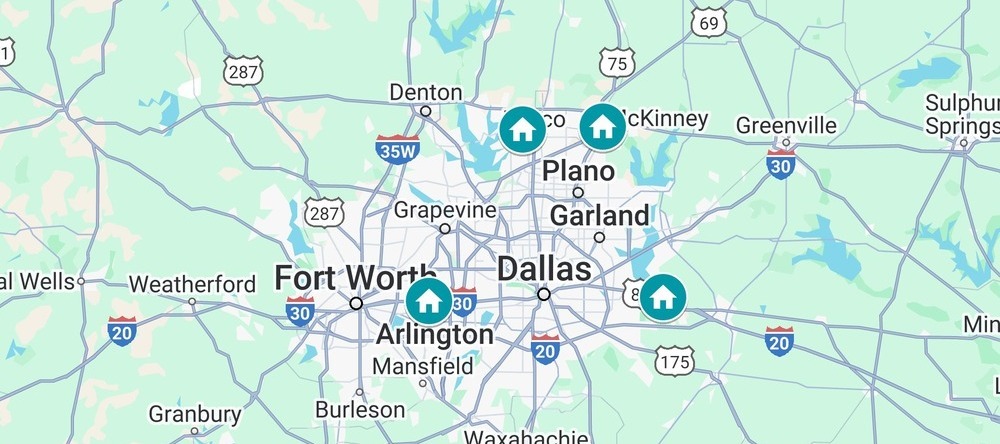
- Arlington, TX: 3900 Arlington Highlands Blvd Suite 237B Arlington, TX 76018
- Forney, TX: 713 W Broad St Suite 100 Forney, TX 75126
- Frisco, TX: 8275 Judges Way, Suite 100F, Frisco, TX 75036
- McKinney, TX: Virtual Mental Health Treatment
Discover More About BasePoint BreakThrough Today
Our Locations
Frisco, TX
Call Us
Admission Hours
7:00 AM to 7:00 PM (CST)
7 Days a Week
How to Pay for Virtual Self-Harm Recovery Programs in Texas
Paying for virtual self-harm recovery programs in Texas may combine insurance benefits, personal resources, and supportive funding options. Understanding how these payment paths work can help you receive self-harm counseling and behavioral support sooner. It can also reduce financial stress and allow you to focus on treatment that supports your mental health needs and recovery goals.
- Health Insurance: Health insurance may cover virtual mental health services, including therapy and structured programs, depending on your plan, network status, and required authorizations.
- Out-of-Pocket Payment: Out-of-pocket payment allows you to pay for treatment when insurance coverage is limited or unavailable. This offers flexibility in your selection of evidence-based care, including cognitive behavioral therapy for self-harm.
- Sliding Scale Fees: Sliding scale fees adjust your out-of-pocket costs based on your income, helping make online treatment more financially accessible.
- Payment Plans: While payment plans don’t reduce the overall cost, they do spread costs over time, reducing the burden of a single upfront expense.
- Employee Assistance Programs (EAP): An Employee Assistance Program (EAP) may provide short-term mental health services or referrals at reduced or no cost through your employer. Services may include several telemental health solutions.
- Government Assistance Programs: Government assistance programs, such as Medicaid, may help cover qualifying telebehavioral health services.
- Family Support: Family support can include shared financial responsibility or assistance with treatment expenses.
- Scholarships or Grants: Scholarships or grants may be available through mental health organizations to offset self-harm treatment costs.
- HSA or FSA: Health Savings Accounts (HSAs) or Flexible Spending Accounts (FSAs) can be used to pay for eligible mental health services with pre-tax funds, which increases your buying power.
- Nonprofit Referral Funding: Nonprofit referral funding may connect you to financial aid or subsidized care options to pay for self-harm treatment.
- One study published in 2020 revealed that more than 50% of people who were diagnosed with self-harming behaviors have a significant risk of suicide. The study found that as the number of methods a person used to self-harm increased, so did the likelihood of a suicide attempt.
- A 2023 study of young adults with self-harming behavior found that those who wanted to stop did not seek help, and those who sought help did so because they could no longer hide their injuries or scars.
- A 2024 study found that the mortality risk in young adults who self-harm was 3.8 times higher and suicide was 12.2 times higher than in the general population.
- Information from 2016 found that young people with the highest risk of self-harm were 15-19 year old women and 20-24 year old males. Self-cutting was associated with the highest risk of repetitive behavior.
- DBT can reduce hospitalizations and ER visits, decrease symptoms of depression and anxiety, and is an effective treatment for self-harming behavior.
- Dialectical Behavior Therapy (DBT) yielded positive results that were comparable to those found in other studies of patients who exhibited self-harm behaviors, including severity of the symptoms and psychopathology.