






Cost of Virtual Anxiety Therapy and Treatment in the Dallas, TX, Area
BasePoint BreakThrough offers online treatment for anxiety and other conditions, including trauma, depression, Post-Traumatic Stress Disorder (PTSD), Obsessive-Compulsive Disorder (OCD), Attention-Deficit/Hyperactivity Disorder (ADHD), and bipolar disorder. Below, you’ll learn what influences the cost for virtual anxiety treatment and what to expect from digital mental health services.
Get started today by completing a comprehensive anxiety disorder assessment. This will help us better understand your needs and recommend appropriate online treatment options. We’ll clarify pricing for anxiety treatment and help you make informed decisions about your care. Call us to schedule your confidential assessment and receive an online private mental health rehab cost estimate.
How Is Anxiety Treated at Virtual Mental Health Therapy and Treatment Programs?
Virtual mental healthcare and therapy programs treat anxiety through structured, evidence-based care delivered remotely. You receive professional support using secure e-therapy platforms, allowing you to address your symptoms, build coping skills, and improve your emotional regulation while staying connected to daily life.
Treatment often includes individual internet therapy sessions focused on identifying anxiety triggers, reshaping unhelpful thought patterns, and learning practical stress-management techniques. You may also participate in support groups, skills-based education, or medication management when appropriate. BasePoint creates a personalized treatment plan based on your symptoms, goals, and progress. Virtual programs emphasize flexibility, privacy, and accessibility. Contact us to learn more about available options and your online anxiety treatment cost near Dallas, Texas.
What Are the Average Out-of-Pocket Costs for Virtual Anxiety IOPs Without Health Insurance Support in Texas?
The average out-of-pocket costs for virtual anxiety IOPs without health insurance support in Texas can vary, but typically range from $70 to $170 per day, or about $1,400 to $3,400 per month, based on weekly partial hospitalization program fees of $350 to $850. Individual video conferencing therapy sessions often cost $150 to $250.
Your anxiety treatment cost varies based on how often you attend telepsychology sessions, the level of clinical support included, and whether cybertherapy is billed separately from program fees. Understanding the rates for anxiety counseling in Texas helps you evaluate program intensity and overall affordability before committing to care.
Texas Anxiety and Mental Health Statistics
Texas Anxiety and Mental Health Statistics
Recent data highlights the growing mental health challenges in Texas. Studies show a strong connection between repeated mental distress and clinically diagnosed anxiety or depression. Between February 1 and 13, 2023, 36.8% of Texas adults reported experiencing these symptoms, yet 30% of them needed counseling or therapy but did not receive it.
Telehealth is increasingly addressing this gap, with 265 facilities offering online mental health services statewide. Texas A&M University found a 77% rise in mental health patients using telemedicine from 2012 to 2018, with rural access growing 160%. These trends suggest that while anxiety and depression are widespread, telemental health solutions are expanding access, especially in underserved areas.
BasePoint BreakThrough Accepts Insurance
Our assessment with a licensed clinician will provide you with a recommendation for the appropriate level of care for young adults struggling with a mental health disorder. We can also check your insurance coverage for online anxiety treatment.
Call us today to schedule a same-day assessment at (972) 325-2633 or fill out our inquiry form.

BasePoint Breakthrough: Insurance Verification Form
What Aspects of a TX-Based Virtual Anxiety Program Influence the Costs of Treatment?
The cost of a Texas-based virtual anxiety program can vary depending on several key factors. Understanding what influences your virtual anxiety therapy cost allows you to make informed decisions and find cost-effective options for anxiety help. The following points outline the main factors affecting mental health care costs.
- Severity and Type of Anxiety: More severe or complex anxiety symptoms often require additional online psychiatric help or specialized care, which increases your anxiety treatment cost.
- Program Duration: Longer treatment programs generally cost more due to the extended support and services provided over time.
- Intensity of Treatment: Programs with daily virtual counseling sessions or higher levels of clinical supervision usually carry higher anxiety support pricing.
- Medical Services and Staff Expertise: Access to licensed specialists, psychiatrists, or medication management affects overall pricing.
- Additional Services: Programs offering additional resources, e-counseling sessions, digital tools, or heightened support may charge higher rates.
- Location: The online private mental health rehab cost varies across Texas, with urban areas sometimes having higher pricing than rural locations.
- Insurance Coverage: Programs that accept insurance, like BasePoint, often reduce your out-of-pocket anxiety therapy expenses.
What Are the Average Costs of Online Anxiety Treatment Programs With Insurance Around Texas State?
The average cost of anxiety treatment in Texas with insurance is often lower than when you pay privately. With weekly PHP fees averaging $350 to $850, your daily cost could be $70 to $170; the average monthly cost may be $1,400 to $3,400. Anxiety therapy expenses typically run $150 to $250, though insurance may cover part of this.
Coverage varies depending on your plan, deductible, and copay structure, which may reduce your overall expenses. Understanding how insurance applies to virtual programs can help you access budget-friendly anxiety support. If you’re asking questions like, “How much does online mental health rehab cost in Texas?”or “Are there affordable options for online anxiety treatment plans in Texas?” contact BasePoint BreakThrough to discuss your options and get a personalized estimate for virtual anxiety treatment.
What Are the Long-Term Program Costs for Online Anxiety Treatment in Texas?
The typical costs for long-term online anxiety treatment in Texas that extends beyond 30 days vary depending on program intensity, duration, and additional services. You can expect a higher overall investment than short-term programs, due to extended teletherapy sessions, ongoing clinical support, and specialized care tailored to your needs.
Weekly PHP fees usually range from $350 to $850; individual internet therapy sessions cost $150 to $250 each. Long-term care provides continuous remote emotional support, skill-building, and monitoring, making it a comprehensive option for sustained anxiety management.
What Are the Short-Term Program Costs for Virtual Anxiety Treatment in Texas?
The costs for a short-term virtual anxiety treatment program in Texas, typically lasting 30 days or fewer, vary depending on program structure, session frequency, and the types of services offered. Intensive programs, such as Partial Hospitalization Programs (PHPs), may have higher fees, while shorter, focused remote psychotherapy sessions can be more affordable.
Weekly PHP fees generally range from $350 to $850, and individual therapy sessions often cost $150 to $250 each. Short-term programs provide concentrated, structured support, helping you address anxiety symptoms efficiently. These programs focus on building coping skills, teaching stress-management techniques, and offering professional guidance in a condensed timeframe to address immediate mental health needs. For help understanding treatment costs, call BasePoint BreakThrough at (972) 325-2633.
What Are the Typical Out-of-Pocket Costs for Online Anxiety PHPs Without Health Insurance Coverage in TX?
The typical out-of-pocket costs for online anxiety Partial Hospitalization Programs (PHPs) in Texas without health insurance coverage usually range from $70 to $170 per day, based on weekly fees of $350 to $850. Over a month, this translates to approximately $1,400 to $3,400, with individual internet-based therapy sessions costing $150 to $250 each if scheduled separately.
These costs reflect the structure of PHPs, which provide intensive daily support while allowing you to stay at home. Treatment fees for anxiety may fluctuate depending on session frequency, program length, and the inclusion of additional services. By understanding Texas mental health service expenses, you can plan for treatment that fits your schedule and budget.
Texas-Based Mental Health Therapy and Treatment Programs with Virtual IOPs That Offer Flexible Payment Plans
Exploring Texas-based mental health therapy and treatment programs, including virtual Intensive Outpatient Programs (IOPs), helps you better understand available care options. BasePoint BreakThrough offers online IOPs with flexible payment plans, making treatment more manageable. Read on to learn more about BasePoint BreakThrough’s IOPs and other ways to find virtual IOPs throughout Texas.
BasePoint BreakThrough Treatment Options
BasePoint BreakThrough’s IOPs provides structured mental health support while allowing you to maintain your daily responsibilities. You participate in scheduled digital therapy sessions several days per week, receiving consistent web-based mental health support without the need for full-time residential treatment.
Your IOP may include individual teletherapy, group sessions, skills-based education, and remote emotional support tailored to your needs. This approach helps you build coping skills, improve your emotional regulation, and address underlying concerns in a flexible format. Clinicians adjust your treatment plans based on your progress to ensure continued support and stability.
You can explore alternative ways to find intensive outpatient treatment programs in Texas by using a mix of online tools and trusted resources. This approach allows you to compare options, understand availability, and identify programs that align with your clinical and financial needs before deciding.
- Start with Online Research: Use search terms such as “Texas mental health IOP,” “virtual IOP programs in Texas,” or “intensive outpatient mental health treatment near me” to gather initial information.
- Use Online Directories: Browse mental health treatment directories that allow you to filter by program type, location, or telehealth counseling services.
- Consult Referrals: Ask primary care providers, therapists, or other healthcare professionals for program recommendations.
- Contact Your Insurance Provider: Review covered treatment options and in-network programs through your plan resources.
- Use Local Health Directories: Check county or regional health listings for outpatient telebehavioral health services.
- Reach Out to Mental Health Organizations: National and state organizations often maintain updated treatment resource lists.
- Search on Social Media: Explore community groups or mental health pages where programs share updates and information.
- Visit University and Medical School Centers: Academic health systems may offer or recommend IOPs.
- Check Online Reviews: Read patient experiences to understand program structure and quality better.
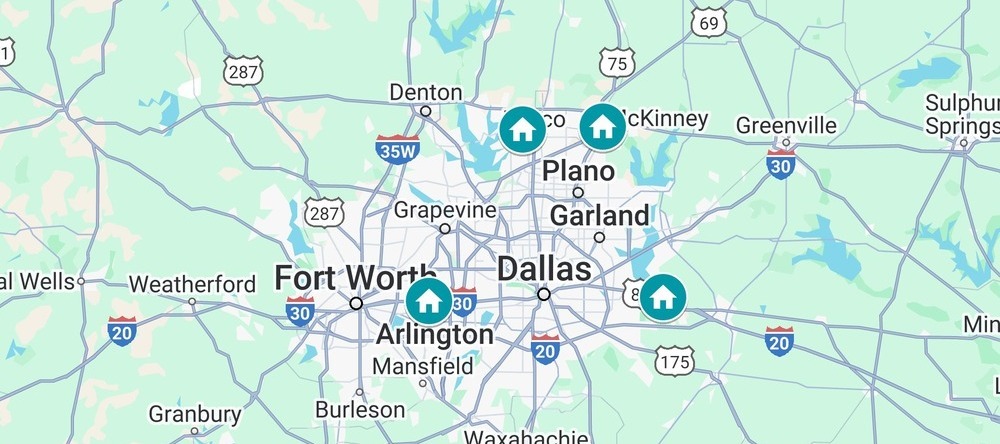
- Arlington, TX: 3900 Arlington Highlands Blvd Suite 237B, Arlington, TX 76018
- Forney, TX: 713 W Broad St Suite 100, Forney, TX 75126
- Frisco, TX: 8275 Judges Way Suite 100F, Frisco, TX 75036
- McKinney, TX: Virtual Mental Health Treatment
Discover More About BasePoint BreakThrough Today
Our Locations
Frisco, TX
Call Us
Admission Hours
7:00 AM to 7:00 PM (CST)
7 Days a Week
Options to Help Pay for Online Anxiety Therapy and Treatment Programs in Texas
Paying for online anxiety therapy and treatment programs in Texas doesn’t have to be overwhelming. There are several ways to make care more affordable, depending on your financial situation and resources. Exploring different payment options lets you access the support you need without compromising quality.
- Health Insurance: Many insurance plans cover virtual anxiety treatment, which can reduce your out-of-pocket costs.
- Out-of-Pocket Payment: Paying directly allows flexibility in choosing affordable options for anxiety therapy and may include options not covered by insurance.
- Sliding-Scale Fees: Some providers, like BasePoint, adjust costs based on your income, making online mental wellness programs more accessible.
- Payment Plans: Programs may offer installment options to spread out treatment fees over time.
- Employee Assistance Programs (EAP): Your employer might provide access to affordable mental health services at reduced or no cost.
- Government Assistance Programs: State or federal resources may offset mental health treatment expenses.
- Family Support: Contributions from family members may help cover mental health care costs.
- Scholarships or Grants: Certain organizations provide financial assistance specifically for mental health treatment.
- Studies have shown a significant link between recurring mental distress and clinically diagnosed conditions like anxiety and depression, according to Understanding Houston.
- KFF reported that from Feb. 1 to 13, 2023, 36.8% of adults in Texas experienced symptoms of anxiety or depression.
- Of Texas adults who indicated symptoms of anxiety or depression, 30% said they needed counseling or therapy but did not receive it, the Texas Tribune reported.
- SAMHSA reports that 265 mental health treatment facilities in Texas provide telehealth therapy services.
- A study by Texas A&M University revealed a 77% rise in mental health patients using telemedicine services from September 2012 to August 2018, with rural patients experiencing a 160% increase in access to telemedicine mental health care.