





Hoarding Disorder Treatment, Therapy, and Counseling Around Dallas, Texas
Hoarding disorder is a complex mental health condition marked by persistent difficulty discarding possessions, regardless of their value, leading to significant distress and clutter that interferes with daily life. BasePoint BreakThrough offers compassionate, structured support, so you can learn healthier ways to manage anxiety, decision-making, and attachment to possessions.
When you call us, our admission specialist will describe our programs for hoarding disorder treatment in Texas. We can verify your insurance coverage, explain your potential out-of-pocket expenses, and schedule a confidential assessment with treatment recommendations. This allows us to identify the level of care that is appropriate to address your mental health concerns. Don’t wait to address your concerns. Call us today and begin a road to recovery that leads to a higher quality of life.
Hoarding Disorder Therapy at BasePoint BreakThrough
Hoarding disorder is more than excessive clutter. It involves ongoing difficulty discarding items, strong distress about letting things go, and a buildup of possessions that can interfere with daily routines, relationships, and safety at home. Symptoms often start in adolescence or early adulthood and can intensify over time without the right support.
At BasePoint BreakThrough, we provide compassionate, evidence-based care for young adults struggling with hoarding behaviors and related concerns like anxiety, depression, OCD, or ADHD. Our team helps you build skills for decision-making, emotional regulation, and healthier boundaries with belongings, so you can regain control in a supportive, nonjudgmental environment.
What Are the Signs and Symptoms of Hoarding Disorder to Be Aware Of?
Hoarding disorder involves more than collecting items. It’s a persistent pattern of difficulty letting go of possessions. It can disrupt your daily life and emotional well-being. Recognizing the signs of hoarding disorder early allows you to seek help and begin working toward a healthier, safer, and more manageable living environment. Ten common signs and symptoms of hoarding disorder include:
- Difficulty discarding possessions: You may struggle to part with items, even those with little or no value, because discarding them feels distressing or wrong. This emotional attachment often leads to unnecessary accumulation over time.
- Excessive accumulation of items: Spaces may fill with objects, sometimes stacked on furniture, in hallways, or across floors. The excessive buildup can make movement and daily routines challenging.
- Inability to use rooms as intended: When clutter blocks access to essential areas, such as kitchens, bathrooms, or bedrooms, it prevents everyday household activities like cooking, cleaning, or sleeping safely.
- Emotional distress when discarding: The thought of throwing things away may cause anxiety, guilt, or sadness, even when the items hold no real purpose. This distress reinforces the cycle of keeping and accumulating.
- Strong attachment to possessions: You may believe that saved items have sentimental meaning or could be useful later, making it difficult to separate emotions from objects.
-
- Procrastination or indecision: Uncertainty about what to keep, donate, or throw away often leads to avoidance, making clutter continue to grow unchecked.
-
- Social isolation or embarrassment: Many people with hoarding disorder avoid inviting others into their homes out of shame or fear of judgment, leading to loneliness and disconnection.
-
- Difficulty managing daily tasks: When clutter takes over, essential activities like cleaning, paying bills, or preparing meals can become overwhelming or neglected.
-
- Safety hazards in the home: Blocked exits, piles of flammable materials, or unsanitary conditions can pose serious health and fire risks, endangering everyone in the household.
-
- Significant impairment in daily functioning: Hoarding disorder can interfere with relationships, work performance, and mental and physical health. Recognizing these impacts is a vital step toward seeking treatment and restoring balance.
Hoarding disorder is recognized as a distinct mental health condition, separate from general compulsive hoarding behaviors. While hoarding refers to the act of excessively collecting or saving items, hoarding disorder involves this behavior combined with significant distress and daily life disruption. Research is still developing, but studies estimate that up to 6% of the general population may be affected.
Men and women appear to experience the disorder at similar rates, and it occurs across all races, ethnicities, and cultures. In Texas and nationwide, people rarely seek help specifically for hoarding disorder. Instead, many reach out for support with related conditions such as depression, anxiety, or relationship difficulties. The effects extend beyond excessive clutter. It can strain personal connections, create isolation, and make it difficult to invite others into your home.
Do Texas-Based Mental Health Centers Provide Comprehensive Treatment for Hoarding Disorder?
Yes, there are treatment centers that provide comprehensive therapy for hoarding disorder in Texas. Many clinics and therapists offer evidence-based therapies such as Cognitive Behavioral Therapy (CBT) and assessment of underlying conditions like Obsessive-Compulsive Disorder (OCD), depression, and anxiety disorders that frequently accompany hoarding behaviors.
In addition to individual therapy, specialized programs integrate practical organizing and decluttering help, which are key elements when hoarding disorder has progressed to the point where safety and daily functioning become compromised. However, you should be aware that every case is unique, and the level of service can vary widely.
Your situation may involve severe accumulation, safety hazards, or co-occurring health conditions, such as hoarding and anxiety, depression, OCD, or another challenge. BasePoint BreakThrough provides a multidisciplinary team approach to address your emotional attachment to objects and other symptoms of the condition. We help you navigate your treatment options and aim to connect you with the right resources to address hoarding disorder.

BasePoint BreakThrough Accepts Insurance for Mental Health Treatment
Our assessment with a licensed clinician will provide you with a recommendation for the appropriate level of coverage for mental health disorders treatment. We can also verify your insurance coverage levels to determine the treatment costs.
Call us today at (972) 325-2633 to schedule a same-day assessment or complete our inquiry form.






BasePoint Breakthrough: Insurance Verification Form
Hoarding Disorder Treatment Program Types in TX
Across Texas, there are several programs that offer help with a hoarding disorder to help you work toward improved mental wellness and daily functioning. The examples below represent some of the most common approaches available, but it is not an exhaustive list. Each program offers unique levels of structure and support to meet your needs and goals.
Hoarding intervention programs at rehabilitation centers focus on helping you understand and manage the thoughts and behaviors that drive excessive clutter and saving. These programs address obsessive accumulation of items, often including structured sessions that teach organizational skills, decision-making strategies, and emotional regulation.
Many also incorporate family education to strengthen support at home. Interventions are designed to address the emotional distress and practical challenges of hoarding, helping you rebuild safe, functional living spaces and healthier daily routines. Early participation in these programs can improve long-term outcomes and reduce the risk of future relapses.
Evening and outpatient treatment center programs offer flexible, structured support when you are managing hoarding disorder while maintaining school, work, or family responsibilities. These programs address excessive saving of useless items and provide regular therapy sessions focused on developing practical skills for organization, decision-making, and emotional regulation.
You’ll learn strategies to reduce anxiety tied to discarding items and managing clutter in real-world settings. Evening options allow you to receive consistent care without disrupting your daily schedule. With individualized treatment and professional guidance, outpatient programs help you gradually build healthier habits and improve your living environment.
Inpatient and residential treatment facilities provide intensive, round-the-clock care for young adults struggling with severe hoarding disorder. These programs offer a structured, supportive environment where you can focus on recovery without everyday distractions. Treatment typically includes individualized therapy, group sessions, and skill-building activities that address emotional and behavioral aspects of hoarding.
Living in a monitored setting allows you to practice new coping and organizational skills in real time while receiving ongoing professional support. This immersive approach in an inpatient treatment center is especially beneficial when clutter or emotional distress has made independent daily living unsafe or unmanageable.
Online therapy, also known as teletherapy, gives young adults with hoarding disorder convenient access to professional support from the privacy of their own space. Through secure video sessions, you can work with licensed providers to explore the thoughts, emotions, and behaviors tied to home clutter and hoarding disorder.
These programs often include cognitive behavioral therapy for hoarding and personalized guidance for managing anxiety and decision-making around the fear of throwing things away. Teletherapy can be especially helpful if clutter or transportation barriers make in-person sessions difficult. Regular virtual meetings allow for consistent progress, ongoing accountability, and collaborative goal setting to help you make sustainable changes at your own pace.
An Intensive Outpatient Program (IOP) offers structured, multi-hour sessions several days a week for young adults managing hoarding disorder. This treatment model bridges the gap between traditional outpatient care and inpatient treatment centers, providing more frequent therapeutic support while allowing you to live at home.
IOPs often include Cognitive Behavioral Therapy (CBT), group therapy, and skill-building sessions focused on organization, decision-making, and emotional regulation. The goal is to help you address the psychological and behavioral roots of hoarding while developing healthier daily habits. With guidance from experienced providers at your recovery center, IOPs encourage steady progress in a supportive, community-based environment.
A Partial Hospitalization Program (PHP), also known as day treatment, provides intensive daily support while allowing you to return home each evening. These structured programs typically include several hours of therapy, education, and skill-building activities each day. You’ll work closely with professionals to address emotional triggers, develop organizational skills, and reduce distress.
PHPs are offered at behavioral health centers like BasePoint and are ideal when you need a higher level of care than outpatient therapy but do not require 24-hour supervision. This balanced approach fosters meaningful progress in managing hoarding behaviors while maintaining connection to your everyday environment.

Does Health Insurance Cover Hoarding Disorder Therapy and Treatment Programs in the Dallas/Fort Worth Region?
Yes, health insurance can provide coverage for psychological help for hoarding in the Dallas/Fort Worth region. However, it’s important to know how the system works so you’re fully informed. First, make sure you understand what a hoarding disorder is: it is a recognized mental health condition, not just “being messy” or having lots of stuff.
Under federal law, many health plans are required to cover mental health and substance use treatment services as essential benefits. Insurers must comply with the Mental Health Parity and Addiction Equity Act so that mental health coverage is no more restrictive than physical health coverage. Because hoarding disorder is a recognized condition, it may qualify for coverage, especially when it is treated through therapy, counseling, and verified by a provider.
Your coverage depends on multiple factors, including your insurance plan, whether the provider or specialty program is in-network, and whether the treatment is medically necessary. For example, programs that include skilled therapists, decluttering support, or home-based interventions may require prior authorization or be considered higher-level care.
At BasePoint BreakThrough, we help you communicate with your insurance provider, verify your coverage, and navigate the authorizations and benefits so you can access the care you deserve. We also provide a confidential assessment with treatment recommendations to identify the level of care needed for hoarding disorder treatment.
Subtypes of Counseling and Therapy Used in Treating Hoarding Disorder in the Dallas, Texas Area
Across the Dallas area, several distinct styles of counseling and therapy have been developed to help you address compulsive hoarding behaviors. The following list offers examples of what may be available at therapy clinics, but it is not a comprehensive catalog of all available options. Call or contact us today for more information about BasePoint BreakThrough’s specialized programs.
Acceptance and Commitment Therapy (ACT) develops psychological flexibility by focusing on accepting difficult emotions rather than avoiding them. Through mindfulness-based exercises, you learn to observe thoughts and feelings without judgment while committing to actions that align with your personal values. ACT encourages growth, shifting focus from control to acceptance and helping you respond more effectively.
This hoarding disorder treatment approach supports emotional resilience, improves self-awareness, and promotes healthier decision-making in daily life. By learning to tolerate discomfort and stay present, clinicians at holistic treatment centers like BasePoint can help you build a stronger foundation for long-term mental and emotional well-being.
Group and family therapy provide supportive spaces to strengthen communication skills, improve relationships, and gain perspective from others facing similar challenges. In group settings at an integrative treatment center, you can share experiences and receive feedback within a safe and understanding environment.
Family therapy focuses on repairing trust and fostering empathy among loved ones living in hoarded spaces. These sessions help families better understand emotional triggers and create supportive home dynamics that encourage progress. Both approaches promote collaboration and strengthen the network of care essential for lasting recovery.
Motivational interviewing is a collaborative, goal-oriented approach that helps you explore and resolve ambivalence about making meaningful life changes. Rather than confronting resistance, this method uses empathy and guided conversation to strengthen your internal motivation. You’ll work with a therapist to identify personal values and clarify how current behaviors align or conflict with your goals.
By fostering self-awareness and empowerment, motivational interviewing helps you build confidence in your ability to make and sustain positive change. It’s effective when you feel uncertain or hesitant about taking the first steps toward improving mental and emotional well-being.
Cognitive behavioral therapy for hoarding helps you recognize and change unhelpful thought patterns that influence compulsive hoarding behaviors. This structured, evidence-based approach focuses on identifying negative thinking habits and replacing them with more realistic perspectives. Because hoarding and mental health are closely connected, CBT helps you understand how emotional distress and learned behaviors contribute to difficulty letting go of possessions.
Through guided exercises, you learn practical coping skills for managing stress, improving decision-making, and enhancing daily functioning. CBT is goal-oriented and encourages active participation, empowering you to take a hands-on role in your progress. Over time, it helps strengthen problem-solving abilities and promotes lasting emotional resilience.
Compassion Focused Therapy (CFT) is designed to help you reduce self-criticism and shame by cultivating greater self-kindness and emotional balance. This therapeutic approach integrates mindfulness, cognitive techniques, and imagery exercises to strengthen your ability to respond to challenges with compassion rather than judgment.
Hoarding treatment centers use CFT to encourage you to develop a healthier inner dialogue, improving self-worth and emotional regulation. By understanding how fear and self-blame influence thoughts and behaviors, you can begin to foster a sense of safety and acceptance. This method supports long-term emotional growth and enhances overall mental well-being.

Hoarding Disorder Treatment Programs in and Around Dallas, Texas
BasePoint BreakThrough has several facilities near Dallas, Texas, staffed with experienced mental health professionals who provide specialized care. We offer treatment that addresses hoarding disorder and the common transitional phase challenges you may be facing. Call or contact us today for information and to verify your insurance coverage.
While there is no cure for hoarding disorder, finding the right treatment program near you can help manage your symptoms. Consider the following several effective ways to begin your search. The options below can help you locate trusted, qualified professionals and programs in your area, ensuring you receive compassionate, evidence-based care that fits your needs and schedule.
- Search Online: Use search engines and verified directories such as Psychology Today or the International OCD Foundation to find therapists or specialty centers experienced in treating hoarding disorder. Filter by location, insurance, and specific expertise.
- Ask for Referrals from a Doctor or Therapist: Your primary care physician or current mental health provider can recommend trusted specialists or programs that focus on hoarding disorder and related conditions.
- Contact Local Mental Health Clinics: Community clinics and nonprofit organizations often provide affordable or sliding-scale services to those who are seeking structured therapy or counseling.
- Check with Your Health Insurance Provider: Contact your insurance company for a list of in-network providers or facilities specializing in hoarding disorder treatment. This helps maximize your insurance benefits and coverage.
- Explore Online Therapy Options: Some healthcare facilities also offer teletherapy programs, which allow you to connect with licensed professionals remotely, offering convenience and privacy if in-person visits are difficult.
- Check Online Reviews: Reading reviews and testimonials can provide insight into others’ experiences and the quality of care at local treatment centers.
- Contact the Facility: Once you identify a potential provider, call or email to ask about services and availability, and to schedule a tour to learn more about the specialty treatment options.
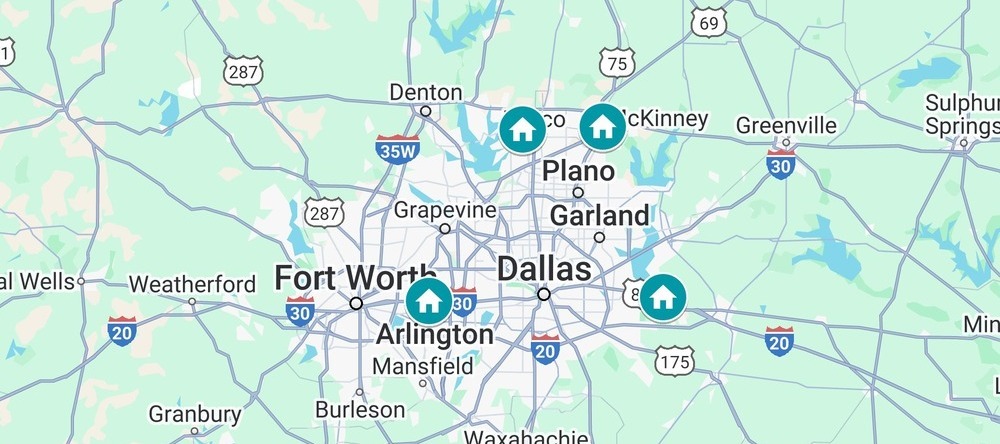
- Arlington, TX: 3900 Arlington Highlands Blvd Suite 237B, Arlington, TX 76018
- Forney, TX: 713 W Broad St Suite 100, Forney, TX 75126
- Frisco, TX: 8275 Judges Way Suite 100F, Frisco, TX 75036
- McKinney, TX: Virtual Mental Health Treatment
Discover More About BasePoint BreakThrough Today
Our Locations
Frisco, TX
Call Us
Admission Hours
7:00 AM to 7:00 PM (CST)
7 Days a Week
How Much Is Hoarding Disorder Treatment Without Health Insurance Coverage in Texas?
The cost for a hoarding disorder treatment program without health insurance coverage depends on several factors. Typically, an individual outpatient therapy session can range from $100 to $300 per hour near Dallas. Group therapy sessions are normally slightly less, and psychiatric evaluations and care can be more.
If you require a higher level of treatment, such as an intensive outpatient or partial hospitalization program, the cost is charged by the number of sessions you receive per day. Other factors also affect your overall cost, such as the number of therapy sessions, skill-building workshops, and medication management. An additional factor may be physical cleanup or safety risk interventions in your home.
At BasePoint BreakThrough, we recognize the necessity of receiving treatment when you have difficulty discarding possessions and have signs of a hoarding disorder. Without treatment, the cost to your quality of life, relationships, and work productivity can be overwhelming. Even without health insurance, we encourage you to call us and work with our financial counselors to find a solution that allows you to receive the quality mental health treatment you deserve.
How Much Is Hoarding Disorder Therapy with Health Insurance Coverage in TX?
The cost of hoarding disorder therapy with health insurance coverage at mental health treatment centers in Texas depends on your health insurance policy. Typically, people pay a flat copay of $20 to $100 for a single therapy session, or a percentage of the overall program charge, called a coinsurance.
While state and federal law mandate health insurance providers offer coverage for mental health conditions on par with medical and surgical care, the level of coverage differs between providers, plans, and policies. It is crucial that you verify your insurance coverage and meet your insurance provider’s prior authorization requirements.
We recognize that wading through health insurance documentation can be overwhelming, which is why we handle the process for you. Call BasePoint BreakThrough today at 972-325-2633 to speak with our admission specialist and discover the benefits of working with a highly skilled and compassionate treatment team.
What to Expect at a Hoarding Disorder Treatment Program
A hoarding disorder treatment program at BasePoint BreakThrough involves a supportive, structured environment focused on helping you regain control of your space and improve emotional well-being. Treatment begins with a thorough assessment to understand your needs, triggers, and behavioral patterns. From there, a multidisciplinary team works collaboratively to create a personalized care plan.
You’ll participate in evidence-based therapies such as Cognitive Behavioral Therapy (CBT), which helps you identify unhelpful thought patterns and build practical skills for decision-making and organization. Programs may also include group sessions, skill-building exercises, and education about how emotional factors contribute to hoarding behaviors.
Some treatment plans integrate family support to strengthen relationships and promote lasting change. Overall, you can expect your customized hoarding disorder treatment program to provide emotional guidance and practical tools to help you make meaningful progress in decluttering your environment and improving daily functioning.
What Is the Admissions Process for Hoarding Therapy and Treatment at BasePoint BreakThrough?
The admissions process for hoarding disorder therapy and treatment at BasePoint BreakThrough is designed to make getting help as smooth and supportive as possible. The specific process may vary from one treatment center to another, but the following is a general overview of what you can expect.
- Initial Contact: Your journey begins when you reach out to our admission specialist. We’ll discuss your needs, answer questions, and help you understand the treatment options available.
- Intake Assessment: During this step, you’ll complete an initial screening that gathers important background information about your emotional health, living situation, and personal goals.
- Evaluation and Diagnosis: A licensed clinician conducts a comprehensive evaluation to determine whether symptoms align with hoarding disorder and identify any co-occurring conditions that may require attention.
- Personalized Treatment Plan Development: Our clinical team designs an individualized plan that targets your specific needs and goals, including therapy approaches, program intensity, and skill-building components.
- Insurance Verification and Financial Counseling: We coordinate directly with your insurance provider to confirm coverage and discuss financial details, ensuring full transparency regarding costs and benefits.
- Admission Approval: Once your plan and coverage are finalized, you’ll receive confirmation of your admission date and program placement.
- Family Orientation: If family participation is part of your treatment, we provide an orientation to help loved ones understand the process and their supportive role.
- Admittance to the Program: You’ll begin treatment with the support of our multidisciplinary team, who will guide you through every stage of your recovery journey.
- Ongoing Monitoring and Adjustments: Throughout treatment, your progress is regularly reviewed to ensure your plan continues meeting your evolving needs and goals.
- Hoarding disorder research is in its early stages. However, there is a difference between hoarding and hoarding disorder. Hoarding is a symptom or behavior, while hoarding disorder is the official mental health diagnosis that includes this behavior along with distress and significant impairment.
- Up to 6% of the general population has hoarding disorder, which appears to affect men and women at similar rates. It is also consistent in all races, ethnicities, and cultures.
- Hoarding disorders have a significant impact on relationships and social life. Those impacted may avoid socializing in their homes and find it challenging to maintain partnership relationships.
- People don't typically first seek help for a hoarding disorder. Instead, they may look for therapeutic interventions to address depression, anxiety, and relationship problems.
- People who compulsively hoard are different from those with large collections. A person with a hoarding disorder must keep a lot of items that may appear useless or of little value to most people. The items clutter the living space and can cause distress in day-to-day activities.